 This is the right and just decision. But it is long overdue.
Procedural delays led to a sharp deterioration in his condition
The case for Sleptsov’s release was dragged out by the court of first instance from August until the end of October; hearings were postponed, and the court demanded a ‘histology’, which cannot be performed on a terminal patient and contradicts the practice of the ECHR.
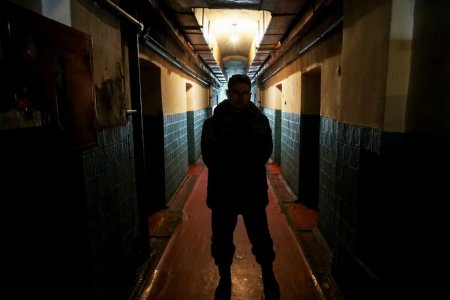
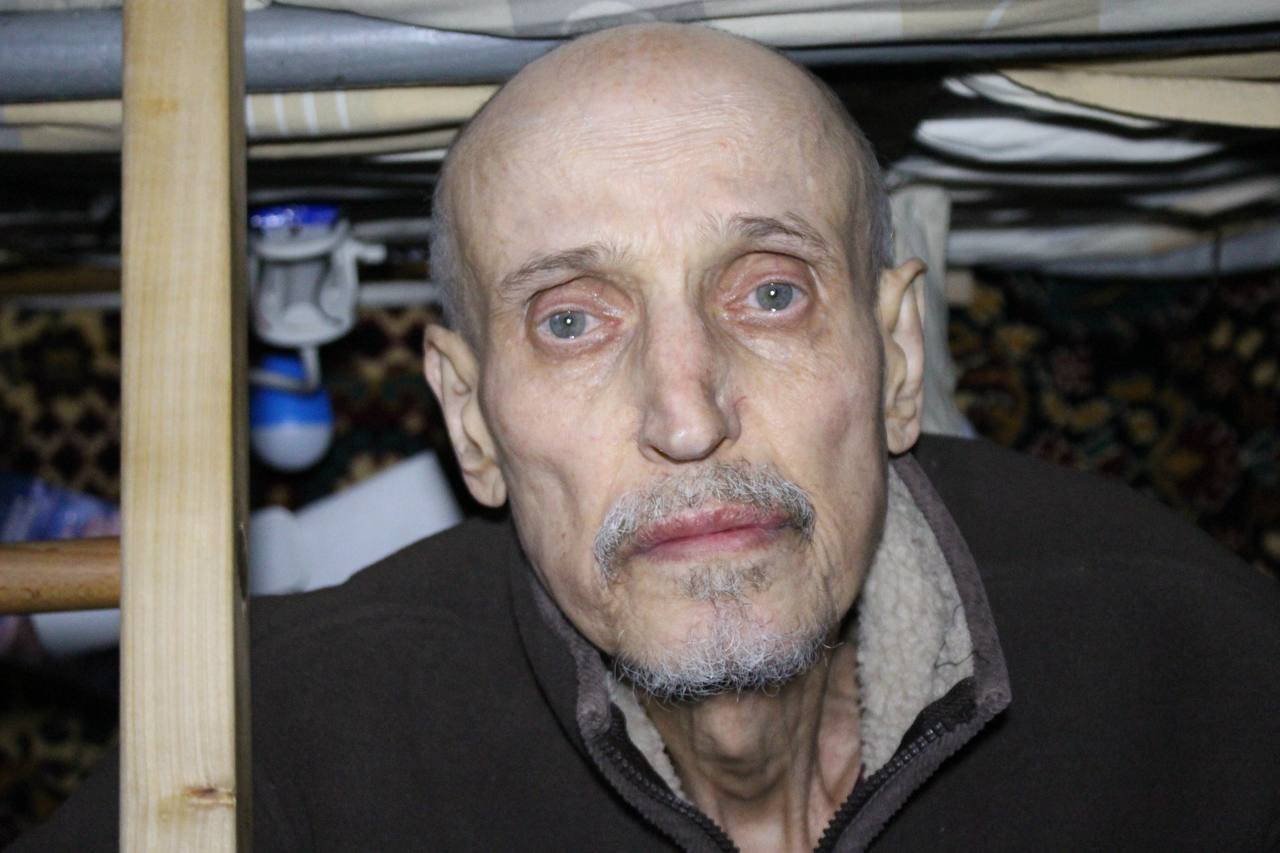
It was precisely these delays that caused Sleptsov’s condition to deteriorate sharply: he lost the ability to move, is suffocating in a cell without ventilation, and lives in constant pain. In such cases, time is not a procedural resource. It is the difference between a chance and death.
Such decisions must be made within 48 hours
European practice is clear: when treatment is impossible under conditions of imprisonment, release must be immediate.
In European countries, a model of compassionate release operates—a legal mechanism for the early release of seriously or terminally ill prisoners on compassionate grounds, where the deciding factor is not the diagnosis, but the incompatibility of continued detention with human dignity.
In Ukraine, however, hundreds of people die in prison even before their first court hearing. That is why a mandatory 48-hour review period is needed—a mechanism that can genuinely protect the lives of the seriously ill.
Today’s decision—an important step, but not reform
The Court of Appeal:
● overturned Judge Haidu’s cruel decision,
● upheld the doctors’ conclusions,
● in effect, fulfilled the ECHR’s requirement to protect a person from inhuman treatment.
However, the system will continue to keep people in torment if we do not abandon the outdated ‘List of Diseases’ and move to a European model where the focus is on the individual, their condition, and their dignity.
Conclusion
Viktor Sleptsov should have been released immediately after the conclusion of the Medical Consultative Commission (MCC).
Today, justice has been restored—but at the cost of his health and months of additional suffering.
Compassion cannot wait. For the seriously ill have no time.