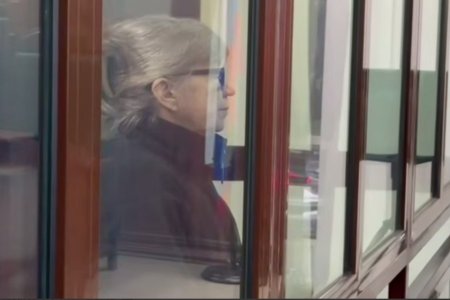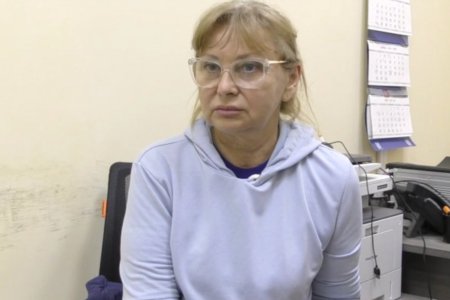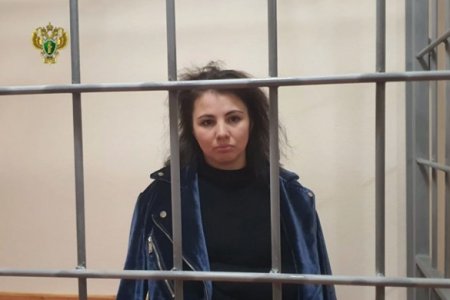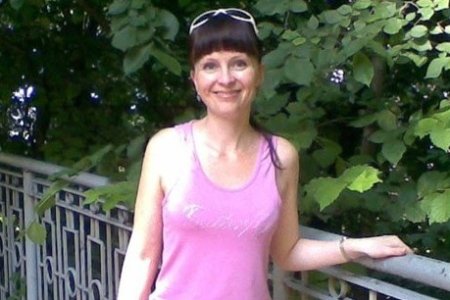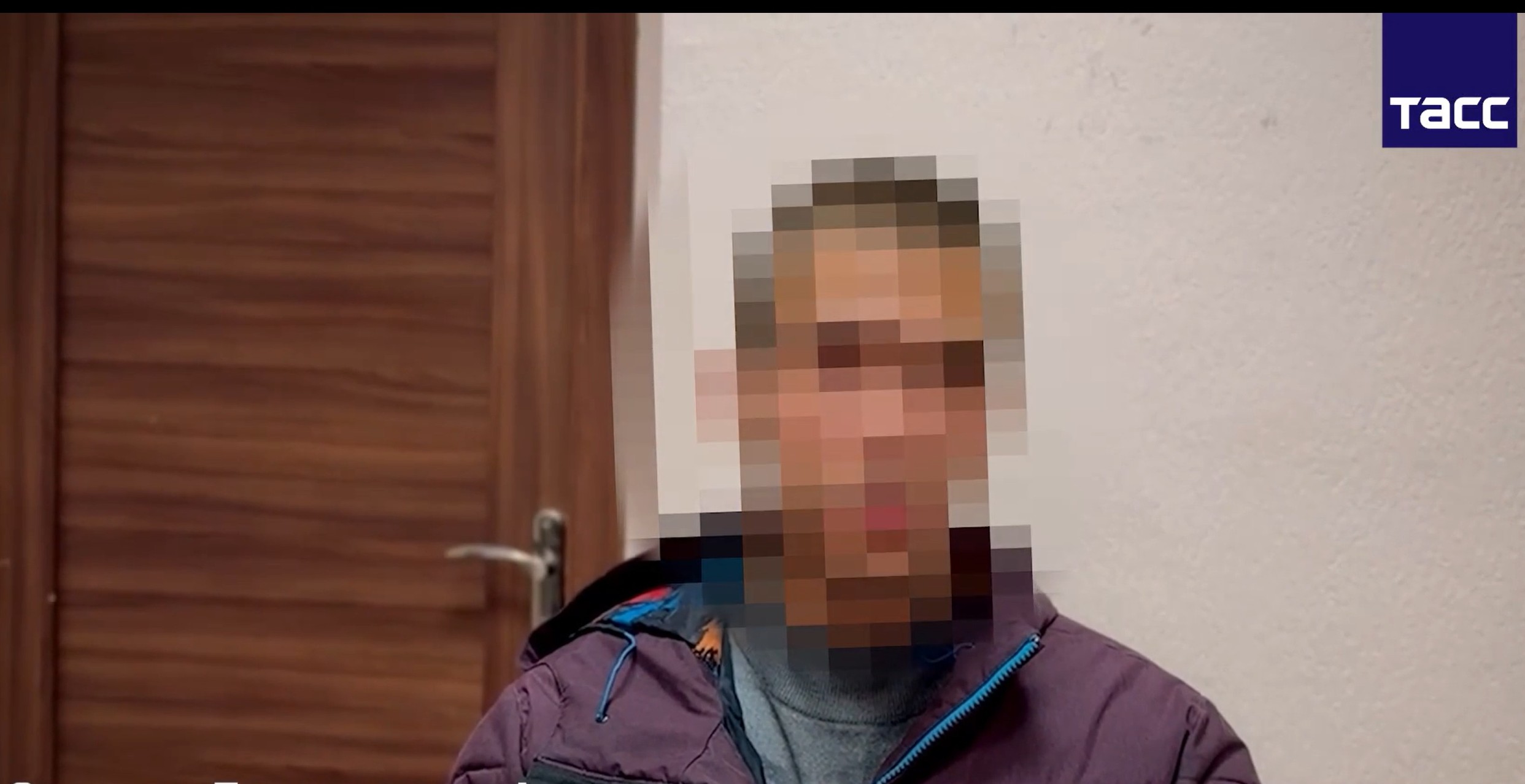
Russia’s FSB and state media have reported the ‘arrest’ of a 17-year-old Ukrainian from occupied Mariupol whom they accuse of ‘state treason’ for passing on information to his own country’s Military Intelligence about Russian military positions near Mariupol. It is unclear why this was reported now as the accompanying video, purportedly of the lad’s ‘arrest’, was clearly taken in autumn, not in the middle of winter. If the human rights group First Department is correct in identifying the young man as Valentyn Tsyhanok, he has been in Russian captivity since at least August 2025. This, in turn, would either mean that he had been seized in the autumn of 2024 or, perhaps more likely, that the supposed arrest was staged long after the young lad had first been taken prisoner. The clear discrepancies are of particular concern as the FSB typically use such periods where a person is held incommunicado, without any procedural status, to extract ‘confessions’, most often through torture.
The reports on 13 January 2026 mention two charges: ‘treason’ under Article 275 of Russia’s criminal code and some kind of ‘terrorism’ charge under an unspecified part of Article 205. There is certainly nothing in the young man’s videoed ‘interrogation’ to suggest any grounds for accusing him of terrorism.
Both First Department and the Memorial Support for Political Prisoners Project were aware that Valentyn Tsyhanok (b. 15 January 2008) from Mariupol had been seized some time in 2025 and was facing these two charges. Memorial gave an address for him (in occupied Donetsk oblast) in August 2025, while First Department states that the 17-year-old is the youngest person in occupied Ukraine or Russia to be charged with ‘treason’.
While seeing nothing wrong with imprisoning a teenager, the FSB do not give his name, and both blur his face and distort his voice. It is quite clear, however, that he is ‘confessing’ only to the actions of a young Ukrainian eager to help his own country.
He says: “I was on Telegram, subscribed to many Ukrainian channels. One of them was a HUR [Ukrainian Military Intelligence] bot for prisoners of war. I thought I could contact HUR to help my Homeland. I pressed “Help the Homeland”, and it said “Insert your personal details” which I did. I want to help them in that.
I wrote at the outset that I wouldn’t do any bombs or anything. A HUR person wrote to me, reconnaissance stuff, what buildings there are in the city, where the military move around. In a settlement, on the territory of the city, near the exit from it, there are private homes, all destroyed. There were a couple of houses and two green vehicles. I decided that this is some kind of military town and on a google map photographed the site and sent it to the HUR official.”
It is these actions that the FSB is claiming constituted ‘state treason’ against Russia, the country which bombed and shelled thousands of civilians, just like Valentyn Tsyhanok, before gaining control of the city. TASS only mentions the ‘treason’ charge under Article 275 of Russia’s criminal code. Since all such ‘trials’ on treason or spying charges are held behind closed doors, any supposed ‘terrorism’ charge will also remain secret.
The young Ukrainian patriot, who has clearly been in Russian captivity for six months or more, is now facing a sentence of up to 20 years on charges that the occupying state has no right to bring for his wish to help his native Ukraine. Convictions and long sentences are, tragically, guaranteed, regardless of the person’s age.
Since 2022, there has been a massive increase in ‘trials’ on treason or spying charges, with a huge number of the victims from occupied parts of Ukraine. In 2025 alone, 161 of the 468 convictions on ‘treason’ charges were against Ukrainians. Many of them were sentenced to 12 years or more for having made donations to Ukraine’s Armed Forces.