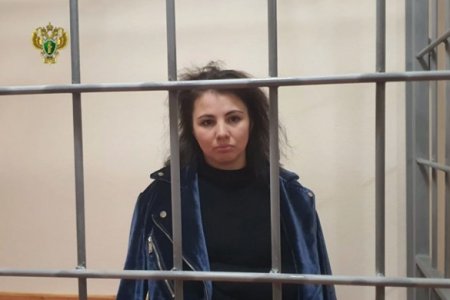
Russian repression on all occupied territory rapidly takes on conveyor-belt features with the same abductions, methods of torture and blitzkrieg ‘trials’ behind closed doors. Civilians held incommunicado for months or years are typically accused of ‘spying’ or of ‘treason’, with the indictment varying only in the dates cited. And in the victims, sentenced to huge terms of imprisonment.
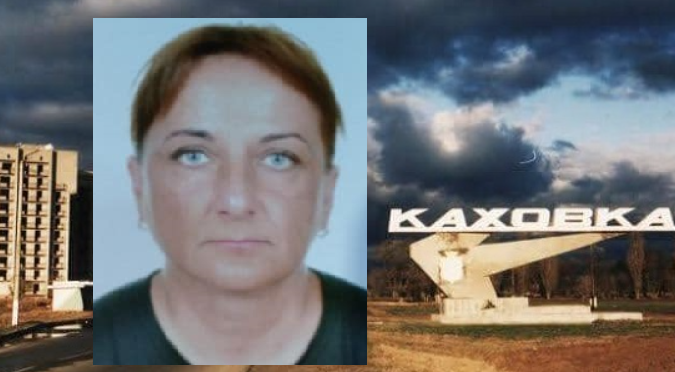
Iryna Hedzyk is from Kakhovka, one of the cities in Kherson oblast which has been under Russian occupation since early 2022. The Centre for Journalist Investigations reported her disappearance back in 2024, with Iryna’s friends explaining that she had been abducted from her apartment on 25 June 2024. This was several weeks after a ‘search’ had been carried out of her home, with the Russians then removing her laptop, her telephone and all documents. This was the first time that Iryna Hedzyk had been targeted, however her husband, Yury, had been seized in April 2022 while taking part in a peaceful protest against the Russian invasion. Although he was soon afterwards released, it is quite likely that the couple remained under surveillance for their opposition to Russian occupation.
As is almost always the case, Iryna Hedzyk simply vanished, with nothing known of her whereabouts for 18 months. During such periods in which a person is held incommunicado, without any official status, they are particularly likely to be subjected to torture and other forms of duress. It is quite possible that the supposed ‘spying’ charges, under Article 276 of Russia’s criminal code, were only laid shortly before the occupation prosecutor announced on 21 January 2026 that the ‘indictment’ was being passed to Russia’s so-called ‘Kherson regional court’. It was claimed that she had, from October 2023 through to May 2024, gathered information about the movements and places of deployment of Russian military personnel and technology, and had passed these via a messenger app to Ukraine’s Military Intelligence. The information, it was further asserted, had been used to direct fire at Russian positions.
There was no attempt to imitate a real trial, with the indictment repeated verbatim in the report of the sentence from the ‘court’ press service just two weeks later, on 5 February 2026. Although this claimed that the ‘court’ had examined the case and “considered all circumstances”, it seems likely that this was the one and only ‘hearing’. Had this been because Iryna Hedzyk pleaded ‘guilty’, this should have been said but was not. It was claimed that the ‘trial’ was behind closed doors because the case material “contained information constituting a state secret.” The sentence, which is still subject to appeal, is for ten years in a medium-security prison colony (the harshest in the case of women prisoners). Iryna Hedzyk was abducted, not arrested, and it is therefore unclear when Russia is admitting to having imprisoned her, with this having direct impact on how much of the sentence is still remaining.
Russia’s ‘trial’ of any Ukrainian on occupied territory under Russian legislation is in breach of international law, and any information provided to Ukraine’s defenders about an invading army would be legitimate. This having been said, there is probably just as much likelihood that Iryna Hedzyk was targeted for her pro-Ukrainian position and opposition to Russian occupation. It is worth noting that she had clearly withstood Russia’s very heavy pressure to take Russian citizenship, as otherwise the invading power would have charged her with ‘treason’ (Article 276).
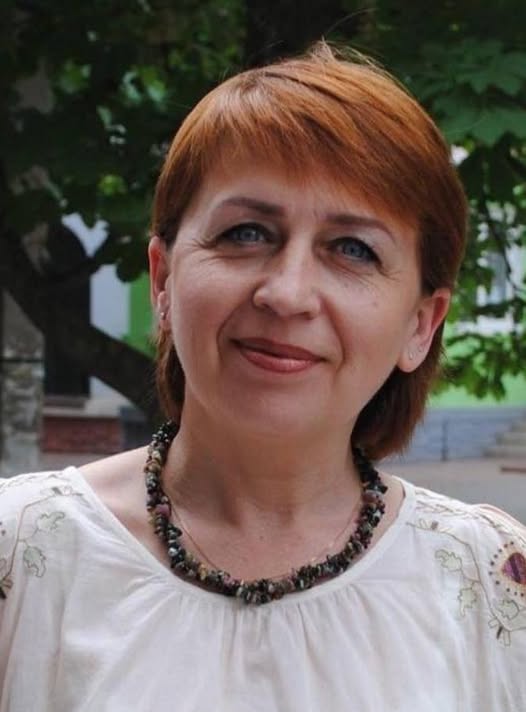
Zhanna Kiselyova (b. 1968)( a journalist, was also abducted from Kakhovka, just two days after Iryna Hedzyk, on 27 June 2024. This was a second abduction, with nothing to suggest that she has been freed.
Olena Kosenko
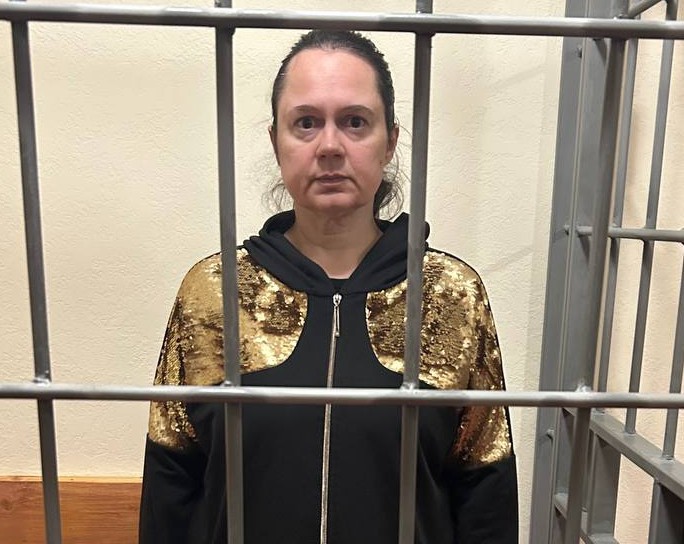
On 9 February 2026, 46-year-old Olena Kosenko was sentenced by the same fake ‘Kherson regional court’ to 10 years’ imprisonment. It was claimed that the supposed ‘gathering of information about Russian military personnel in Kherson oblast had been in April 2024, with the alleged information “able to have been used to direct fire at places where Russian military were deployed”. Since the charge was under Article 276 of Russia’s criminal code, Olena Kosenko had clearly not taken Russian citizenship.
There are a terrifying number of such abductions and fake ‘trials’, with it vital that the names of Russia’s victims are known and their release demanded. Please help in any way that you can.
Other victims from occupied Kherson oblast
Olha Hulchak, Olena Penza and Yulia Stanika
Russia sentences three Ukrainian women to 12 years for supporting Ukraine’s defenders
Iryna Horobtsova
Natalia Kozhemiatska
Serhiy Tsyhipa
Mykola Petrovsky and Serhiy Kotov