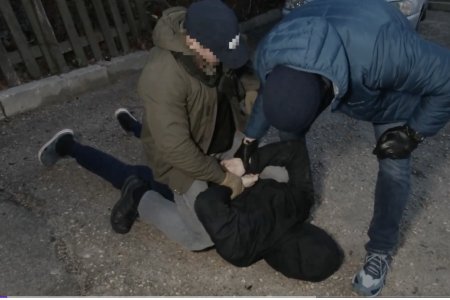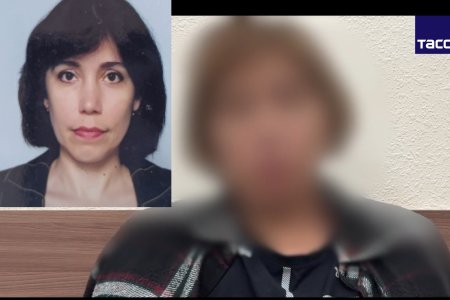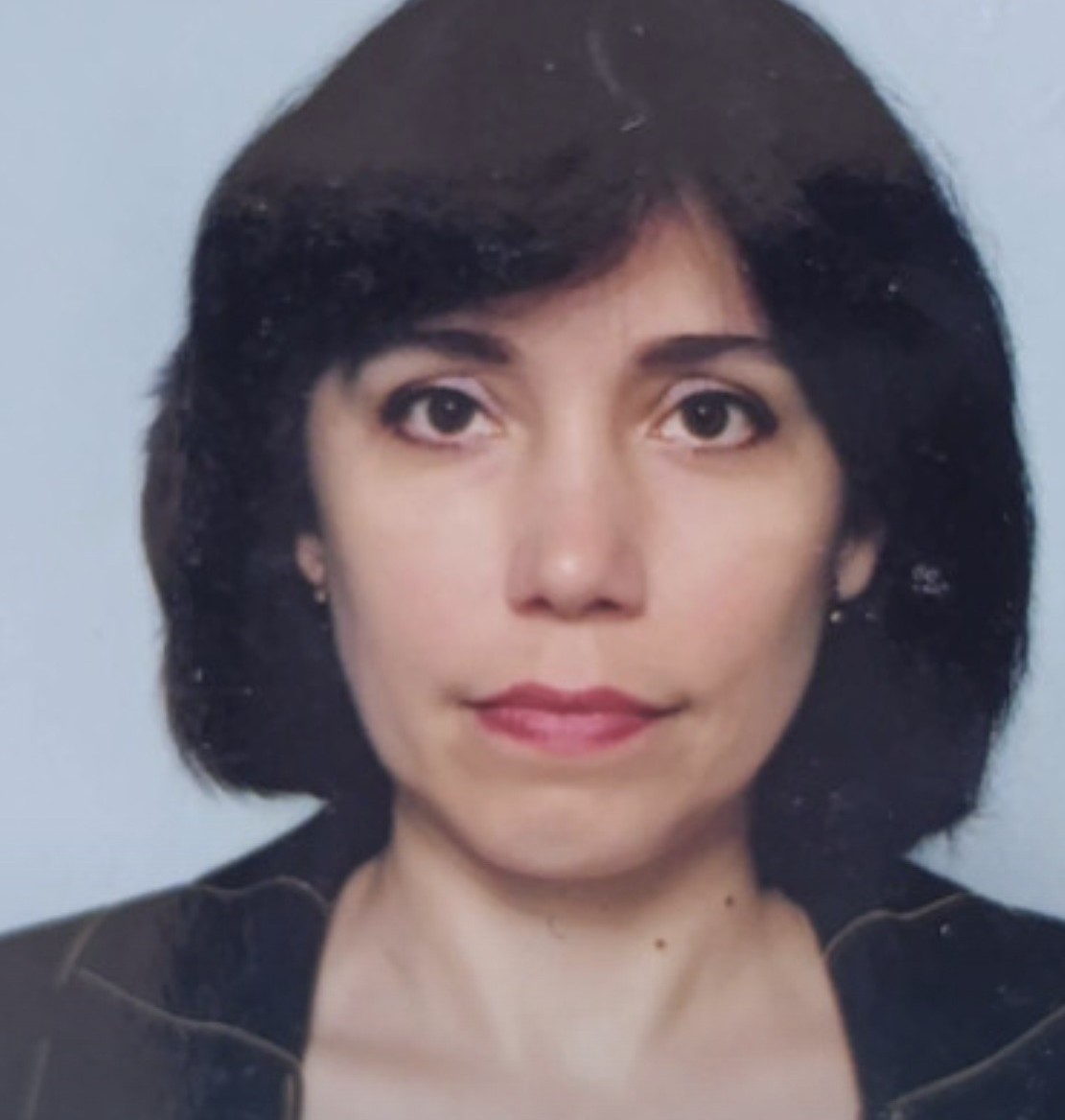
Maryna Kovalenko was seized in occupied Crimea on 10 June 2025, yet it was only in late February 2026 that she was officially remanded in custody and accused of ‘treason’, under Article 275 of Russia’s criminal code. According to the Crimean Tribunal human rights initiative, she had been held until mid-February in SIZO-2, a remand prison believed to be under the control of Russia’s FSB and used primarily for political prisoners and civilians abducted from occupied territory. She was kept in total isolation, with the FSB typically using periods where a person has not been charged, has no procedural status and is held incommunicado to use torture and other unlawful duress to extract fake ‘confessions’ or testimony. It is typical that the information that she is facing ‘treason’ charges coincided with the news that she has been moved to another remand prison - SIZO-1.
The charges appear to be over donations supporting Ukraine’s Armed Forces. The number of Ukrainians abducted by the aggressor state illegally occupying Ukrainian territory and then sentenced to up to 17 years for supporting their own Armed Forces has risen dramatically. These are show trials, clearly aimed at terrorising the population, with the preposterous accusation of ‘treason’ based solely on the fact that Russia has made it impossible to live on occupied territory without taking Russian citizenship. Any ‘hearings’ are behind closed doors, with the suspicion seeming warranted that in many cases there was no ‘trial’, only the hearing at which the sentence was read out. Convictions are guaranteed, with the only variation being in the size of the sentence, ranging from 10 to 17 years.
Maryna Kovalenko (b. 09.07.1967) was abducted from occupied Alushta where she was visiting relatives. Her case is somewhat different from those of others abducted, held incommunicado and then charged with ‘treason’. Kovalenko had come to Alushta from occupied Luhansk where she had held the post of Director of the Luhansk Children’s Art School No. 1.
It is because of her position that the Crimean Tatar Resource Centre suggests that her case cannot be unequivocally viewed as politically motivated persecution. Such an assessment is itself far from unequivocal and the Memorial Support for Political Prisoners Project has added Kovalenko to its list of people whose prosecution is probably politically motivated.
It is certainly true that Russia is using educational institutes as a platform for propaganda and indoctrination, and the Director of such an institute would have to be to some degree complicit in this. The same is certainly true of Liudmyla Kolesnikova (b. 1.03.1990), who was seized by the FSB when she returned to Crimea from Dublin to bid farewell to her dying mother. Kolesnikova was sentenced on 5 June 2025 to 17 years’ imprisonment over a donation of 25 euros which she made to help buy drones after Russia’s full-scale invasion of Ukraine in 2022.
Kolesnikova briefly, worked for the occupation ‘police’, before moving to work for a private law firm. In her case, it appears to have been Russia’s full-scale invasion of Ukraine that both prompted her donation and the decision to move to Ireland.
In her case particularly, her work for the occupation regime’s ‘police’ might well be treated in government-controlled Ukraine as collaboration. Both Crimea and Luhansk have been under occupation for 12 years and the issue of what constitutes unacceptable, indeed, criminal, collaboration is fairly complex.
What is quite unequivocal, however, it that Russia, as occupying power, is breaching international law by forcing Ukrainians to take its citizenship; by applying its legislation on occupied territory; and by prosecuting Ukrainians for supporting the defenders of their own country against an invading army.
On the subject of collaboration
There are situations which are totally unequivocal, with one of these being the former Berkut special force officers who betrayed their oath of allegiance to Ukraine and collaborated with the Russian invaders in 2014. All face charges of treason and huge sentences passed by a Ukrainian court.
Crimean Process reported on 12 February 2026 that former Berkut commander Serhiy Solomko (b. 1981) had been sentenced by the Russian occupation ‘Crimean High Court’ to 20 years’ maximum-security imprisonment. There appears to have been even greater secrecy than usual about this so-called ‘trial’, with Solomko charged, under Russian legislation, with ‘state treason’ and ‘possession of explosive substances’. The details available, including the fact that the only evidence presented is a videoed ‘confession’ and that all of the ‘treason’ story appeared long after Solomko had been seized (no later than October 2024) on explosives charges, are extremely reminiscent of countless political trials. The storyline per force differs from other cases, with Solomko heard asserting that Ukraine’s Security Service offered to drop the criminal charges (for treason) against him if he carried out tasks for them, but is certainly not made any the more credible. Crimean Process also notes the involvement of ‘judge’ Serhiy Pogrebnyak, who faces trial for treason in Ukraine and has been implicated in political trials (against Liudmyla Kolesnikova, Mariupol border guards).