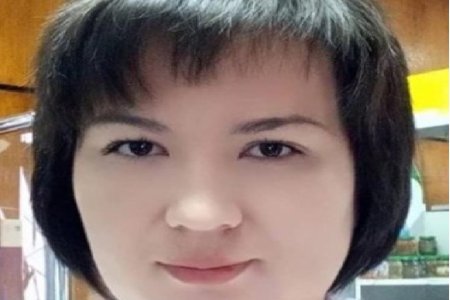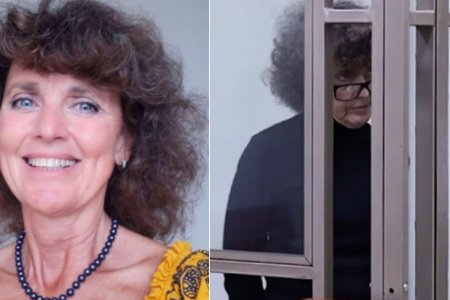
In the last ten days, two Russian courts have rejected appeals against horrific 15-year sentences churned out by illegitimate occupation ‘courts’ on illegal ‘treason’ charges against women with children. Niyara Ersmambetova from occupied Crimea has a 16-year-old son and 9-year-old daughter who have been left with their grandfather, who is in his 70s and has Grade II disability status. Oksana Ivanchenko from occupied Zaporizhzhia oblast is a mother of four and, judging by the distressing video from the Russian supreme court hearing, is not in good health.
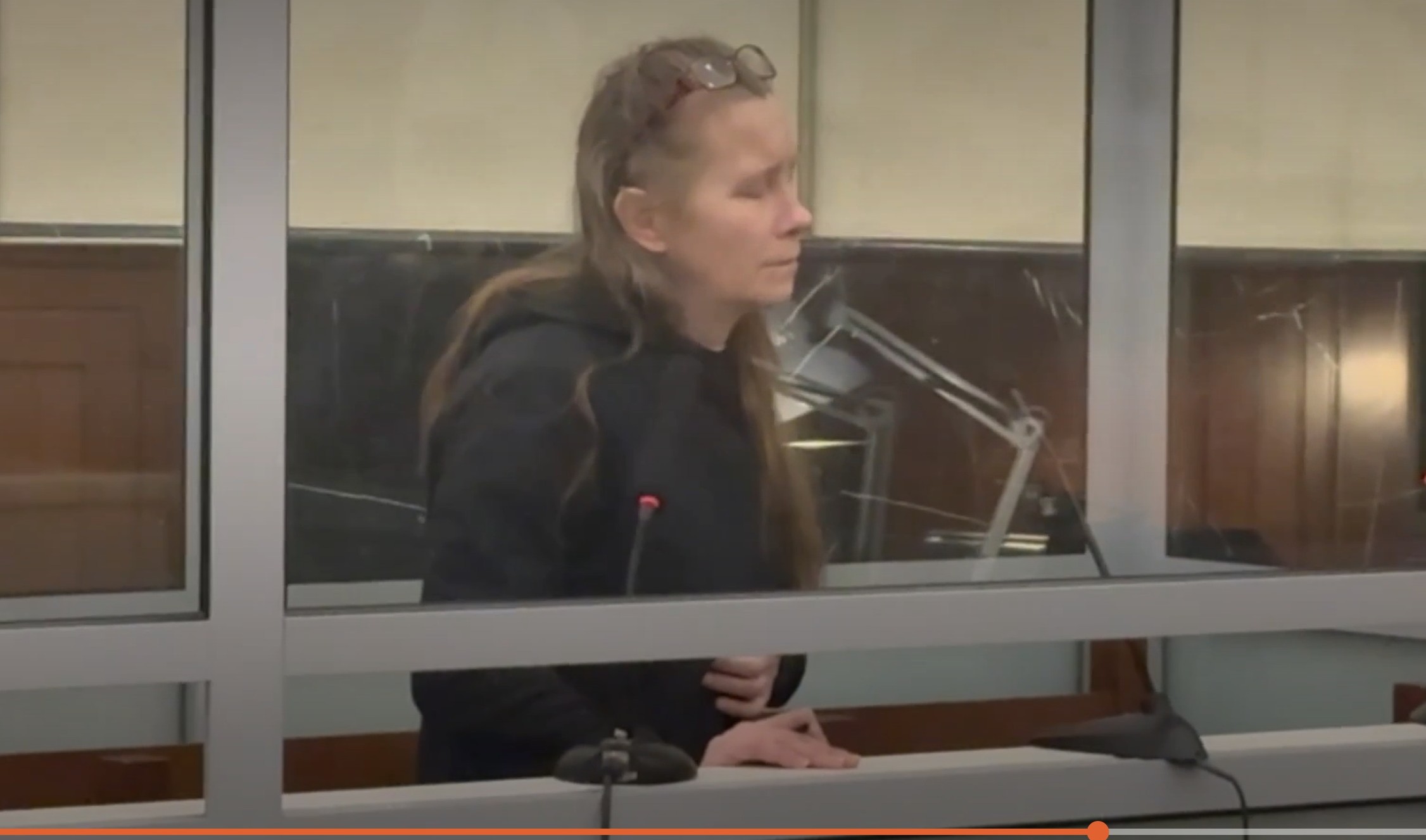
Oksana Ivanchenko (b. 13.07.1976) is from Yakymivka, a rural settlement in the Melitopol raion. She has been in captivity much longer, although it is not known when she was first seized and how long she was held incommunicado before charges were laid. It is not even clear whether it was a cassation appeal that the Russian supreme court rejected on 15 April 2026 and, if so, when the basic appeal hearing against the sentence was heard.
The hearing coincided with information about a ‘decision’ issued by Russian leader Vladimir Putin in March 2022 sanctioning abductions and indefinite imprisonment of Ukrainians on occupied territory for opposing Russia’s full-scale invasion.
Although impossible to state with certainty in any specific case what prompted a person’s seizure, Russia’s so-called ‘trials’ of Ukrainians from occupied territory are all suspiciously similar. Two illegal sentences were passed by the occupation ‘Zaporizhzhia regional court’ on, or around 2 August 2024. Oksana Ivanchenko was convicted of ‘treason’ under Article 275 of Russia’s criminal code and sentenced to 14 years and 9 months’ medium-security imprisonment. Father Kostiantyn Maksymov, an Orthodox priest from Tokmak, was convicted of ‘spying’, under Article 276 and sentenced to 14 years maximum-security imprisonment. The charges were probably identical in each case, as both were accused of having passed on information about Russian military positions. The difference in charge was purely because Ivanchenko, like very many Ukrainians on occupied territory and especially those with children, had been forced to take Russian citizenship. It is known that Father Kostiantyn had been held incommunicado for ten months before any charges were laid, and it is quite likely that similar treatment was meted out to Oksana Ivanchenko.
It was claimed that Ivanchenko had, in May 2023, collected and passed, via Messenger, to a representative of a foreign state information about the location of personnel and military technology of the Russian Federation armed forces, as well as the address of the Russian commandant’s office.” Such information was accurate and “could have been used by the Ukrainian side to carry out strikes on local places of Russian military deployment, that is, against the security of the country””
Russia is waging a war of aggression against Ukraine on Ukrainian territory, and any help by a Ukrainian citizen to Ukraine’s defenders is perfectly legitimate. It is, however, just as possible that Oksana Ivanchenko was abducted for opposing Russia’s occupation and / or pro-Ukrainian views , with an innocuous photo or a ‘confession’ extracted through torture then used to justify the charges against her.
With so little known about Oksana Ivanchenko and the supposed ‘trial’, it was typical that Russian propaganda media should have been provided with video footage from the supreme court hearing. Oksana looks distressed and probably in pain.
Niyara Ersmambetova (3.10.1987)
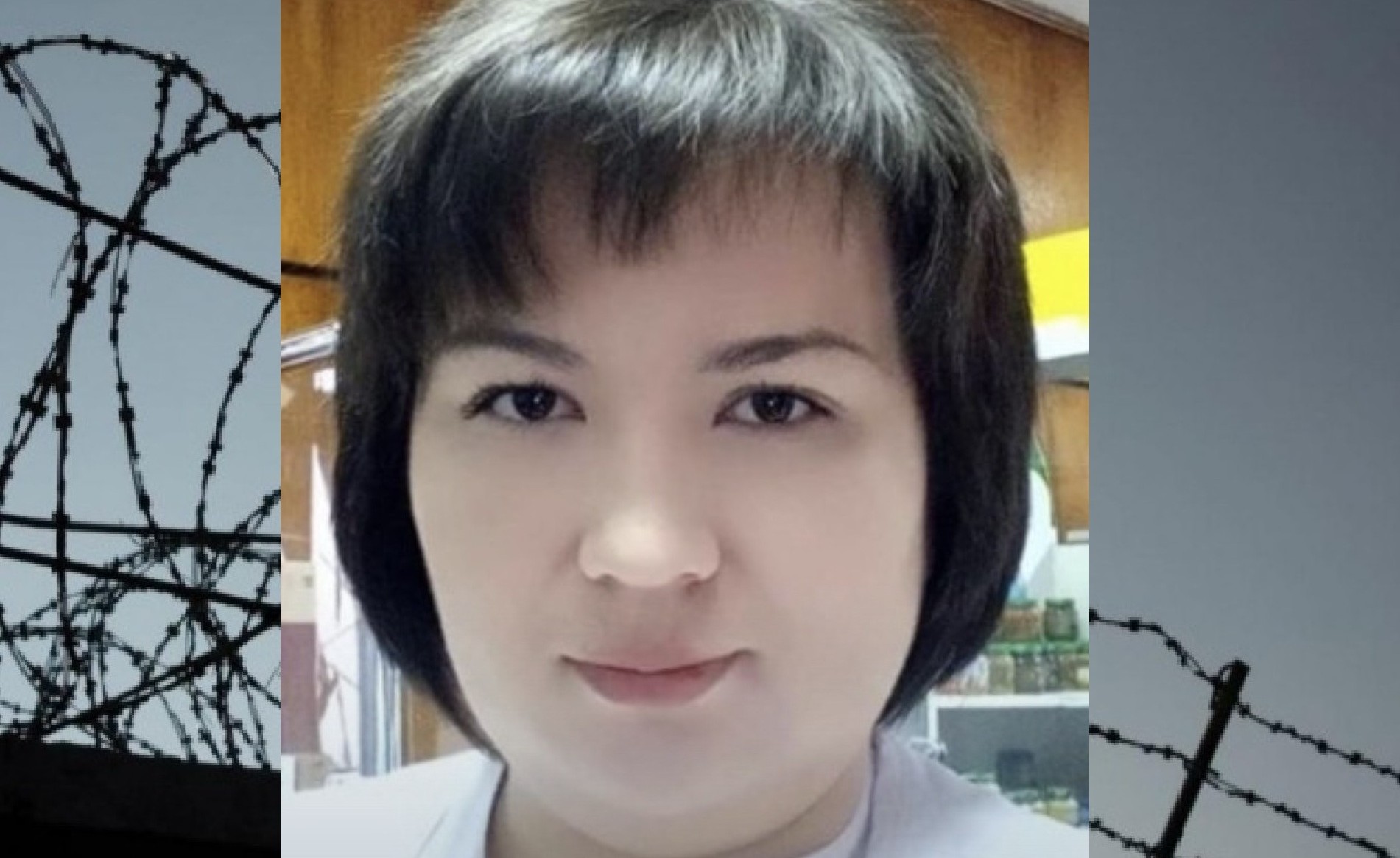
The Crimean Tatar mother of two is one of an ever-increasing number of women on occupied territory whom Russia has abducted and accused of ‘treason’. She had been abducted just seven days after her mother’s funeral, and had been held incommunicado for six months before a supposed ‘trial’ was held behind closed doors.
It was claimed that Niyara had helped the partisan resistance movement ATESH and had passed on information about a fuel depot and about the location of anti-aircraft defence systems.
There are no grounds for considering that this was a ‘trial’ in anything but name, and not only because of the total secrecy and fact that she had been held incommunicado for so long. The 15-year sentence was passed on (or before) 19 November 2025 by ‘judge’ Natalia Kulinskaya from the occupation ‘Crimean high court’. Kulinskaya may well have been promoted from the ‘Feodosia municipal court’ because of her role in the persecution and 7-year sentence against Ukrainian civic journalist and human rights defender, Iryna Danilovych. She has since taken part in other political trials and, for example, sentenced young Crimean Tatar father Ismail Shemshedinov to 13 years’ maximum-security imprisonment a year and a half after he was abducted from his home and held incommunicado.
The sentence was upheld on, or before 7 April 2026, by Russia’s third court of appeal in Sochi. Everything took place behind closed doors.
Both Niyara Ersmambetova and Oksana Ivanchenko have been added to the very long Memorial Support for Political Prisoners Project list of other victims of political repression. In their cases, and those of a disturbingly large number of Crimean Tatar and other Ukrainian political prisoners, the fact that children are not treated as grounds for at least reducing unjust sentences is probably also politically motivated.