New evidence has come to light indicating that it was Russian leader Vladimir Putin himself who gave permission, just days after Russia’s full-scale invasion of Ukraine, for people to be imprisoned without any court ruling or criminal charges being laid. All that was required was that they opposed Russia’s war of aggression, which Moscow stubbornly continues to call its ‘special military operation’ or, from the Russian, ‘SVO’.
On 15 April, the First Department [Pyerviy Otdel] Human Rights Initiative reported that Putin had signed the relevant “decision” back on 8 March 2022. This officially allowed the FSB and other enforcement officers to place “Russian citizens and foreigners” in SIZO [remand prison] without a court ruling “for opposing the SVO”. The ‘decision’, or information about it, came to light because of a complaint lodged with Russia’s Investigative Committee over one of the many abductions. This states that a Russian national was placed in a SIZO without criminal charges on the basis of “a decision of the president of the Russian Federation from 08.03.2022 on organizing the admission and placement of individuals opposing the SVO”. According to the document, officers from Russia’s military investigation units; the FSB; the police and the Federal Protective Service are given permission to imprison people in SIZO for resisting the so-called ‘special military operation’. This was an effective carte blanche to carry out mass abductions of Ukrainian civilians on occupied territory who came out in protest at the Russian invasion or in other ways demonstrated their opposition.
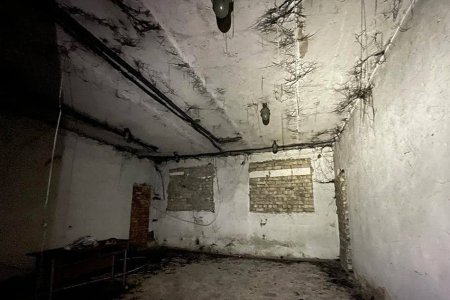
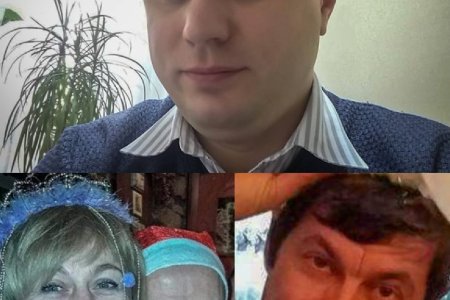
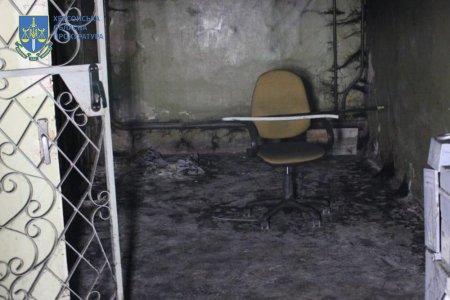
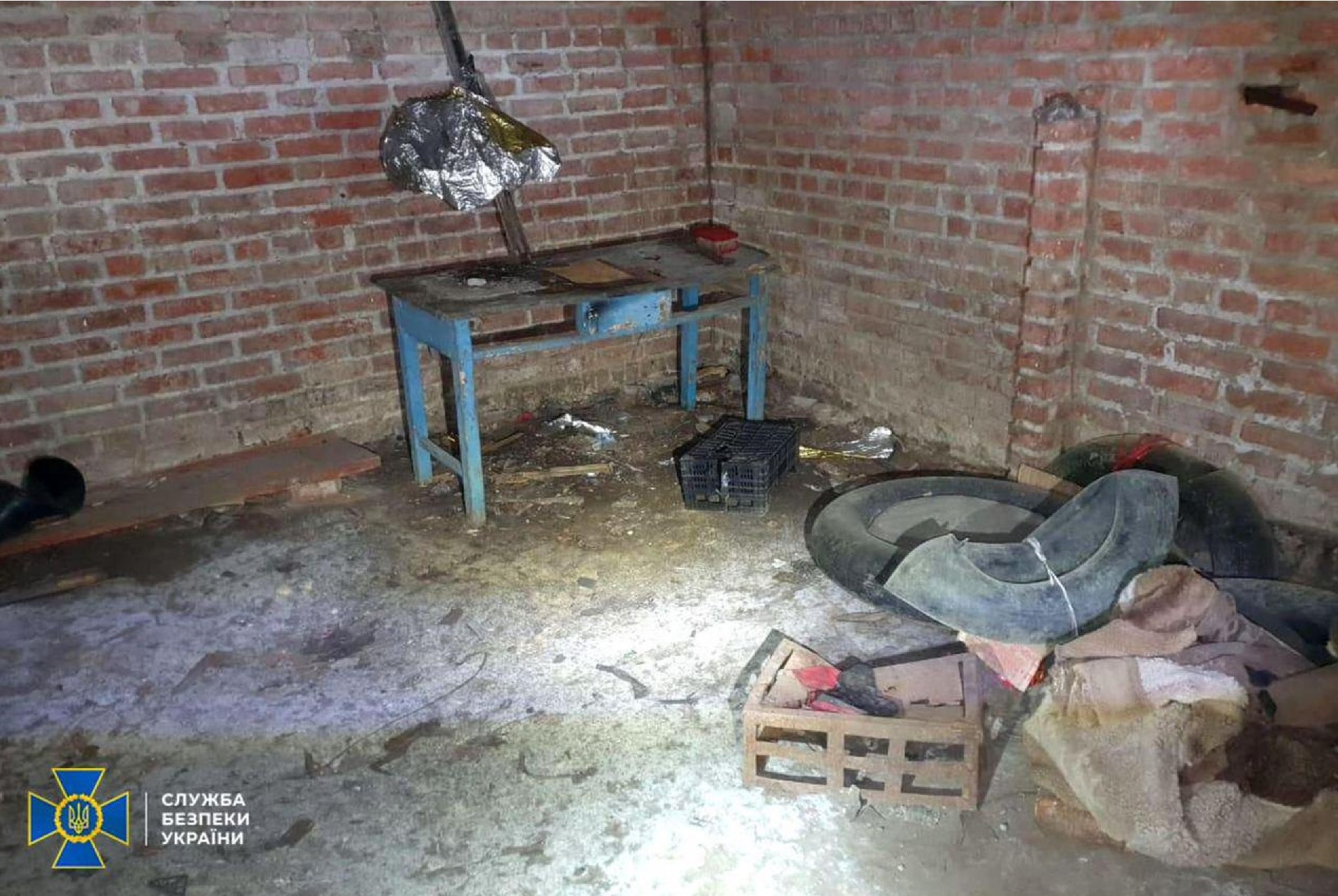
The Investigative Committee predictably rejected the complaint, citing not only the so-called ‘decision’ signed by Putin, but also a “temporary instruction” which was supposed to regulate rules for holding people in SIZO. It is unclear what, in legal terms, this ‘decision’ is. Neither document has ever been made public and both have likely been stamped as ‘state secrets’ despite their unequivocal violation of Article 22 of Russia’s constitution. In occupied Ukraine, they violate international law which categorically prohibits the abduction of civilians, as well as Russia’s widespread and systematic use of torture and ill-treatment. Some of the civilians whom the Russians seized, such as 27-year-old journalist Victoria Roshchyna; Dniprorudne Mayor Yevhen Matvieiev; two 16-year-old schoolboys Danylo Dakhov and Pavlo Hrymak; and Orthodox priest Father Stepan Podolchak, are known to have been tortured to death. Many other civilians have simply disappeared, and may also have been killed.
Pyerviy Otdel lawyer Yevgeny Smirnov notes that Russia’s enforcement bodies have been given the opportunity to hold people in SIZO or prison colonies, without a court order or criminal proceedings, and to do so indefinitely. He confirms what Ukrainian human rights groups have been monitoring since 2022, namely Russia’s widespread practice of abducting Ukrainian civilians and holding them incommunicado for huge amounts of time. The document alluded to, yet hidden from sight, only really confirms that such practice has also been applied against at least one Russian national. The green light “from above”, from Putin no less, may well also explain the significantly escalated level of lawlessness seen, not only on territory seized in 2022, but in occupied Crimea.
It is essentially only the existence of an explicit ‘decision’ from Putin that is new. The abductions, makeshift torture prisons and horrific treatment became widespread from the beginning of Russia’s full-scale invasion. Although sometimes the victims had simply been in the wrong place at the wrong time, it was clear that Russia was specifically targeting civilians who had previously served in the Armed Forces; enforcement bodies or civil service; public officials; volunteers as well as all those who did not conceal their pro-Ukrainian position and opposition to Russian occupation. Within months of the full-scale invasion, it became clear that Russia was opening two more SIZO in occupied Crimea. SIZO No. 2, in particular, has been used from the outset to hold civilian hostages from occupied Kherson and Zaporizhzhia oblasts, and political prisoners in general. Here too, the law signed by Putin, allowing the FSB to have their own remand prisoners, or SIZO, has only now come into force, yet SIZO No. 2 is known to have been under FSB control from 2022.
By September 2023, the UN’s Special Rapporteur on Torture, Dr Alice Edwards reported that Russia’s torture of Ukrainians was clearly state-endorsed policy aimed at instilling fear and intimidating the population.
A year later, the United Nations’ Independent International Commission of Inquiry on Ukraine issued a damning report on Russia’s widespread and systematic use of enforced disappearances of Ukrainian civilians. It stated that such abductions of civilians who are then held incommunicado, without any status and generally tortured, are part of state policy and amount to crimes against humanity.
Russia is well aware that it is in breach of international law through these abductions and imprisonment of Ukrainian civilians. While initially it was sometimes admitted that civilians were being held incommunicado because of their opposition to Russia’s invasion, the situation has changed somewhat. Where the Russians are forced to admit holding a person prisoner, they very often come up with absurd charges, normally of ‘spying’ or similar. Any ‘evidence’ is likely to be ‘confessions’ extracted through torture and largely redundant as all such ‘trials’ are held behind closed doors, with long sentences essentially predetermined. Under such circumstances, civilians can be sentenced to 10 years for alleged ‘crimes’ they could not have committed, as they had already been imprisoned for many months (see, for example: Russia’s highest court approves abduction and breathtakingly lawless 10. 5-year sentence against Ukrainian patriot Iryna Horobtsova)
See also:
Help force Russia to free abducted and tortured Zaporizhzhia Nuclear Power Plant employees!