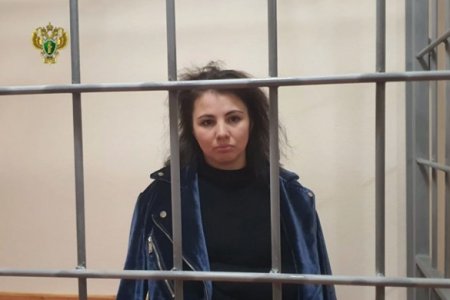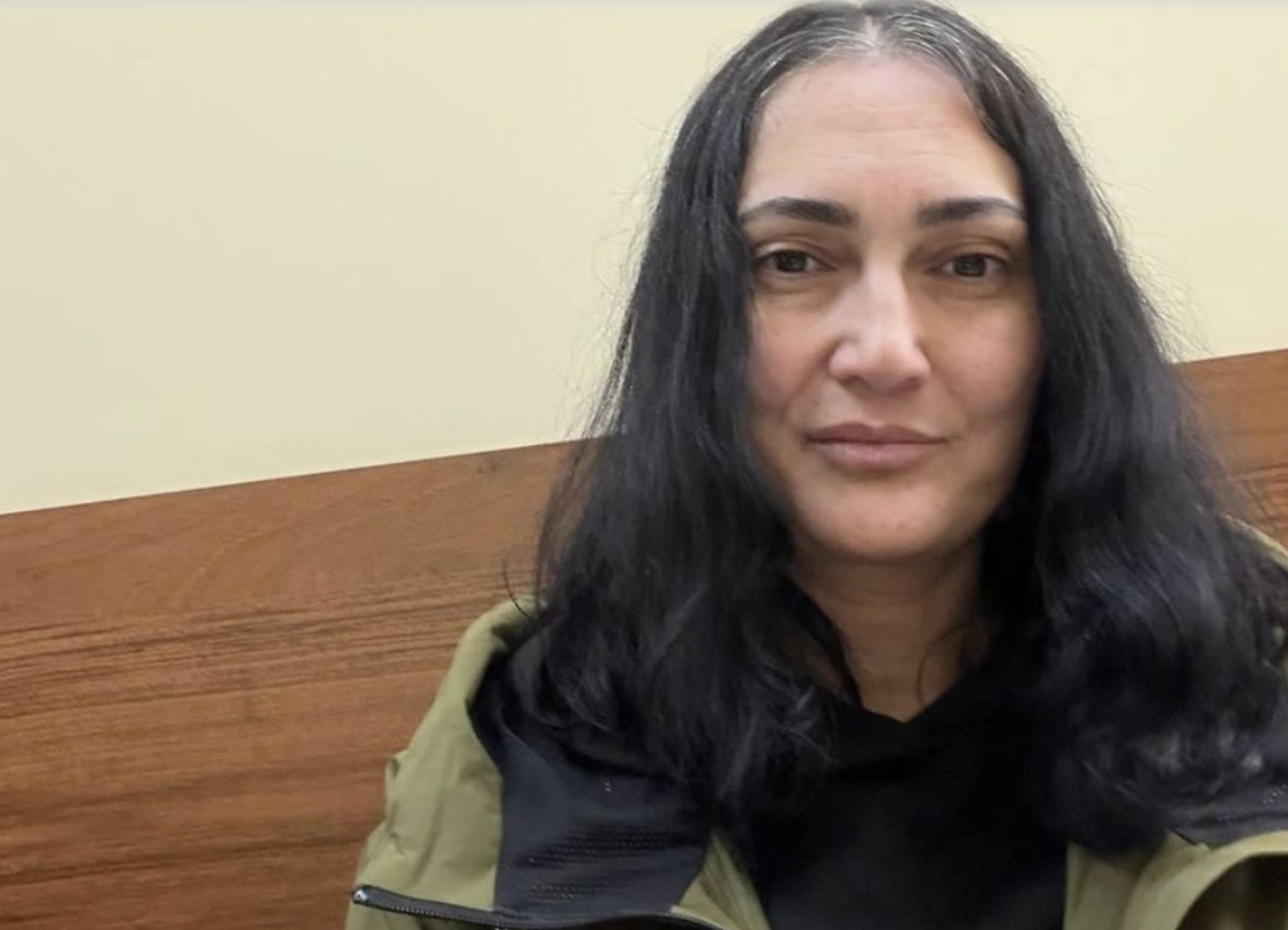
43-year-old Diana Havryliuk has been held incommunicado in Russia since October 2026 and is believed to have been subjected to torture. The Crimean Tatar was seized at the airport in Sochi after trying to get from Turkey where she had undergone surgery, to occupied Crimea where her aunt was critically ill (and has since died). This is not the first time that Russia has effectively abducted Ukrainian citizens as they tried to reach occupied territory, with the case of Diana Havryliuk bearing a chilling resemblance to the seizure of 25-year-old Leniye Umerova as she tried to reach her father, who had been diagnosed with cancer, in occupied Crimea.
Diana Havryliuk (née Abdurashitova) is originally from Crimea but met her husband Andriy Havryliuk while working in Kyiv and remained there after Russia’s invasion and occupation of Crimea in 2014. The couple have three children, two of whom are just 11 and 8 and still do not know why their mother has not returned.
The family have been living abroad since 2022, however Andriy says that his wife had returned to occupied Crimea before. Diana Havryliuk had travelled, seemingly alone, to Turkey where she underwent surgery and then, on 31 October 2025, set off by plane to Sochi (RF), in order to try to reach her family in occupied Crimea.
She was stopped at the airport in Sochi with her husband able to surmise only that the Russian border guards were suspicious of her entirely new passport, without any stamps, which she had applied for in Ireland prior to her trip. Although this is by no means the first time that a Ukrainian citizen has been taken prisoner when trying to pass through legal or occupation ‘border control’, there is no legal way that this should happen unless there is an international warrant on them. The Russians therefore came up with an absurd administrative charge of ‘disobeying’ border guards and their entirely illegal demand that she unblock her telephone. This could, at most, be cited as reason for refusing to admit her into Russia. Instead, however, they used it was an excuse for imprisoning her. Andriy Havryliuk explained to Suspilne Crimea that his wife had, at least, been allowed her right to a telephone call. Her call to a friend had meant that the family were alerted and able to find a lawyer for such administrative cases. Although there does not appear to be any mention of the hearing on the court site, she was sentenced by ‘judge’ Alexander Kurdin from a district court in Adler (Sochi) to 14 days’ imprisonment.
Such use of ‘carousel arrests’, where one administrative charge after another is used until the FSB have come up with criminal charges, has become notorious, with at least two other Crimeans – Leniye Umerova in early December 2022 and 31-year-old Kyrylo Kostyhov in July 2025 – facing several such terms of administrative arrest before Leniye Umerova was accused of mystery ‘spying’ and Kostyhov was charged with ‘treason’ over his donations to Ukrainian charities.
After the 14-day term of imprisonment, all contact with Diana Havryliuk was lost. The family succeeded, after much searching, to establish that she had been taken to Abkhazia, with the only document which Andriy Havryliuk has been able to receive being a border guard service confirmation that she “crossed the border”. There is absolutely nothing to indicate that she had done anything wrong or had been accused of anything. She was, nonetheless, sent to SIZO [remand prison] No. 2 in Borisoglebsk in Voronezh oblast. This is a SIZO which the Russians have used to illegally hold Ukrainian prisoners of war and civilian hostages. It is known (as most Russian penal institutions are) for numerous cases of torture and ill-treatment of Ukrainian prisoners, and Andriy Havryliuk has received information that Diana was also tortured, and beaten during interrogations, with this causing the stitches following her surgery in Turkey to come apart. She was also denied medical care which is, essentially, another form of torture.
She was held for a long time incommunicado, however later managed to pass on a message that she had been taken to SIZO No. 1 in Krasnodar. There she was charged with ‘state treason’, under Article 275 of Russia’s criminal code, and remanded in custody until 17 May 2026 by ‘judge’ Alexander Zelensky from the Oktyabrsky district regional court in Krasnodar. The charges are seemingly over donations to Ukraine’s Armed Forces which were presumably discovered after Diana was forced to unblock her phone.
The illegality of all of this is breathtaking but not new and Russia has, over the last year or two, sentenced a huge number of Ukrainian citizens to terms of imprisonment from 10 to 17 years, merely over donations by Ukrainian citizens to Ukraine’s defenders.
It has become extremely dangerous for Ukrainian citizens to visit any part of Russia, occupied territory or, unfortunately, any country willing to collaborate with Russia in persecuting such citizens. Russia uses the fact that it has become impossible to live on occupied territory without taking the aggressor state’s citizenship to then charge Ukrainians with ‘treason against Russia’ for supporting their own country. If Diana Havryliuk has Russian citizenship, it was likely taken as a perceived way of facilitating visits to her family in occupied Crimea. Where there is no such citizenship, Russia finds other charges, including the standard accusation of ‘spying’, under Article 276. Leniye Umerova is one of a very small number of Crimean Tatar or other Ukrainian political prisoners who have been freed in prisoner exchanges. A terrifyingly large number remain in captivity with more and more Ukrainian citizens seized all the time.
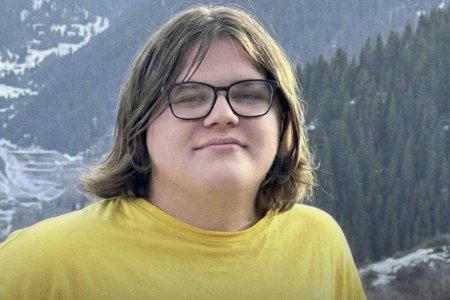
Kyrylo Kostyhov was first seized in July 2025, although it was only in September last year that the FSB came up with ‘treason’ charges against the 31-year-old from Kerch, in occupied Crimea. The charges appear to be based solely on records found on his telephone of very modest donations sent to Ukrainian charities.
Zarema Barieva from the Crimean Tatar Resource Centre reports that on 5 August 2025, another Crimean Tatar Ibraiim Ibragimov was seized at the same airport in Sochi as he tried to fly to Turkey. Russia’s FSB accused him also of ‘state treason’ over donations to Ukraine’s Armed Forces.
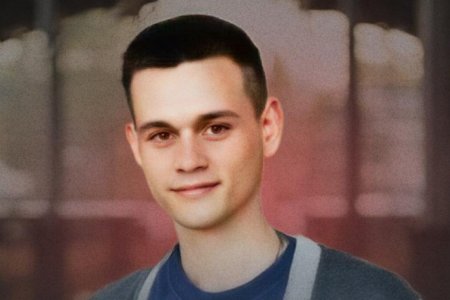
On 31 January 2026, Oleksandr Kachkurkin, a 25-year-old IT programmer from Crimea, was arrested in Moscow after being deported from Kazakhstan on an absurd pretext, having lived and worked there for several years. Such complicity from Kazakhstan is especially shocking as Russia’s ‘treason’ charges against the young man are because of several money transfers sent to help Ukraine’s defenders.
In all these cases, Ukrainian citizens face sentences of up to 20 years’ imprisonment after ‘trials’ behind closed doors with tragically predetermined outcome.