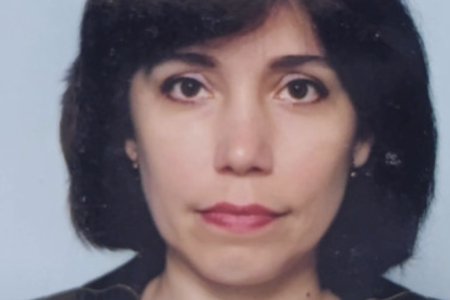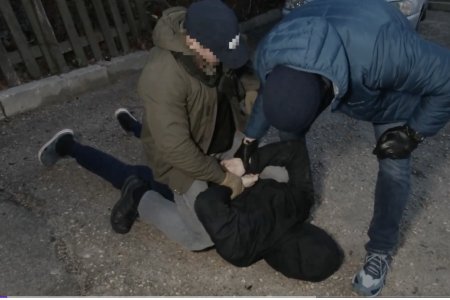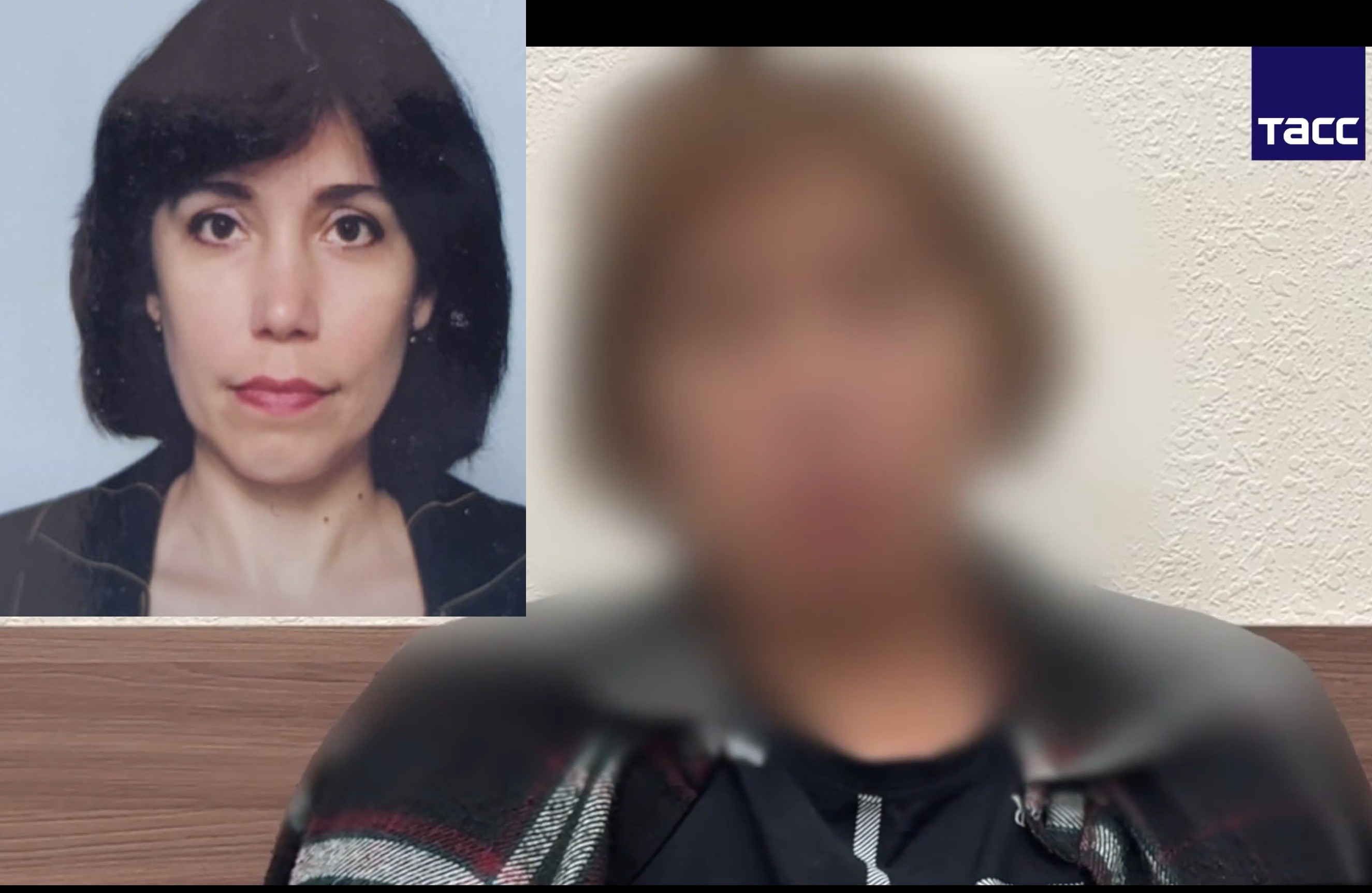
Russia’s FSB has again reported the ‘arrest’ of a Ukrainian woman almost exactly a year after she was, in fact, abducted from Alushta in occupied Crimea. 59-year-old Maryna Kovalenko was held incommunicado for the first eight months, without any official status. Such periods are typically used by the FSB to fabricate charges and extract a ‘confession’, often with the use of torture and / or threats, and Kovalenko is known to have been held in the notorious SIZO No. 2, a remand prison in Crimea under the control of the FSB and used mainly to hold political prisoners. A ‘confession’ of sorts was, indeed, provided, but the fabrication on this occasion seems exceptionally blurred and sloppy. The reason is unclear, unless the FSB simply see no need for greater effort when convictions and long sentences, at least against Ukrainians, are effectively guaranteed.
0n 16 June, Russia’s state TASS agency reported the ‘arrest for passing on data about educational institutions’ as though it had just happened and called Kovalenko “a Ukrainian Security Service [SBU] agent’. It is noteworthy that Kovalenko’s own ‘confession’ and the TASS report talk of “passing on information about scientific and educational institutions”, while the FSB employee whom TASS interviews throws in a claim that Kovalenko was also expected to provide information about the movement of military technology.
As reported, it was first learned in late February 2026 that Maryna Kovalenko (b. 9.07.1967) was imprisoned (having been moved to SIZO No. 1) and was facing charges of ‘state treason’ under Article 275 of Russia’s criminal code. At the time, Crimean Tribunal wrote that this was over a donation to Ukraine’s Armed Forces, and that Kovalenko had been formally charged. In fact, the FSB appear to have reverted to their default option, namely ‘treason through spying’. As for when she was formally charged, that is not necessarily clear, especially in the case of a person abducted so many months earlier.
Although abducted from Alushta on 10 June 2025, Kovalenko was there visiting relatives. She herself is from occupied Luhansk and is described by the Memorial Support for Political Prisoners Project as former Director of the Luhansk Children’s Art School No. 1.
The investigators claim that Ukraine’s Security Service ‘recruited’ Kovalenko when she was crossing the border between Ukraine and Poland. The FSB officer asserted that the SBU saw her as ‘dependent’ because her son is serving in Ukraine’s Armed Forces and therefore agreed to work with them.
The story is less than plausible with Kovalenko, who had been held in isolation, without a lawyer or any other protection against her captors, stating that she had signed an undertaking of cooperation on a confidential basis with Ukraine’s SBU. Having signed this, she asked what was expected of her and recounts the bizarre conversation that ensued. She was told “nothing in particular” and asked what she was involved in. She responded by asking what one can be involved in when you work in a music school, where you teach kids to play a musical instrument, sing, draw and dance. She says she was told that she would take photos and pass on some orders which Russia sends [the school]. The FSB press release embellishes this somewhat, claiming that her ‘handler’ instructed her to gather and pass on “information about the activities of scientific, educational and other institutions of the ‘Luhansk people’s republic’ and Crimea to which she had access through her job.”
The FSB officer may have claimed a further task of informing about the movements of military technology as the charges seemed so weak. It would not be clear how much information Kovalenko could have about Russian military movements. It is equally unclear why she would be supposed to have information about educational and scientific institutions which would be of interest to the SBU.
What would, however, be of interest to the aggressor state and could make Kovalenko a target is having a son serving in Ukraine’s Armed Forces.
To date, there has not been a single acquittal on these grotesque ‘treason’ trials against Ukrainians forced by the aggressor state to take Russian citizenship. Maryna Kovalenko, who will be turning 59 in less than a month, is facing a sentence from 12 to 20 years.