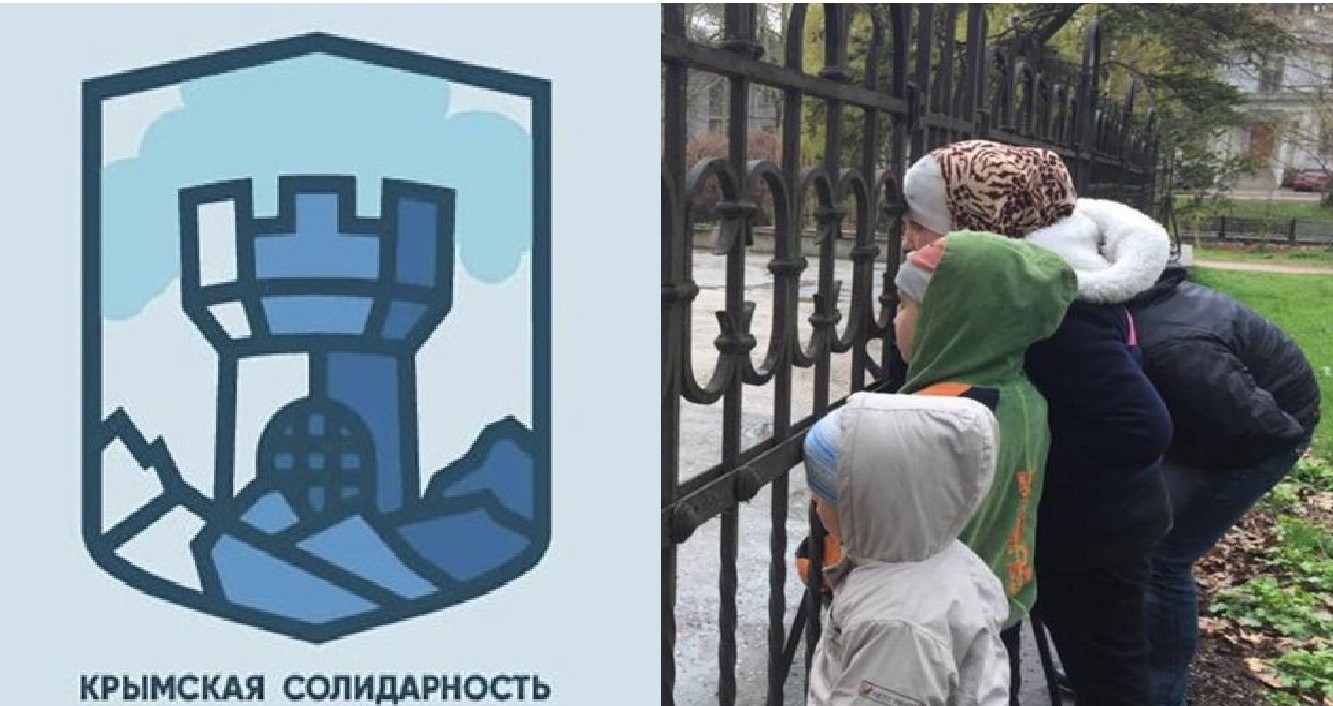
Russia’s justice ministry has declared the vital Crimean Solidarity human rights movement a so-called ‘foreign agent’, together with eleven lawyers, civic activists and journalists involved in defending and / or reporting on victims of persecution. This is the latest, if most open, attack on a civic initiative that Russia has been trying to crush for the past 10 years, through intimidation, mass administrative arrests and horrifically long sentences against particular Crimean Solidarity civic journalists and activists Russia failed to silence Crimean Solidarity before and will hopefully not now, however the new restrictions are extremely onerous and, most worryingly, create new opportunities for the regime to persecute those it has labelled ‘foreign agents’ and those who cooperate with them.
The ministry’s statement on 26 June 2026 claimed that the ‘foreign agent’ label was justified because “the Crimean Solidarity civic organization circulated false information about decisions taken by the public authorities of the Russian Federation and the policies they carry out. It took part in circulating notifications and material of a foreign agent to an unlimited number of people. It cooperated with members of international terrorist organizations, as well as with Ukrainian state bodies.”
On the contrary, Russia’s persecution of Crimean Solidarity and its members has been because they told the truth and reported on repression in occupied Crimea. It is no accident that most of the first civic journalists and activists, who ensured that the world knew about armed searches, arrests and enforced disappearances in occupied Crimea were first themselves subjected to administrative arrests and penalties. When that failed to silence them, the FSB came for them, using profoundly flawed ‘terrorism’ charges. It is not quite clear what is meant by circulating the material of a foreign agent, but the scope is huge as Russia has used the label to try to crush very many human rights and media organizations and individuals. The list of eleven people specifically named by the ministry includes Lutfiye Zudiyeva, a renowned journalist and human rights defender, who was first labelled a ‘foreign agent’ on 16 May 2025 for her journalist work and the interviews she has given international media and NGOs. The claim about cooperation with “international terrorist organizations” is both sinister and false. On the one hand, the ministry is presumably trying to link Crimean Solidarity with the organization ‘Hizb ut-Tahrir’, which is legal in Ukraine but which Russia’s supreme court in 2003 declared ‘a terrorist organization’, It is that unwarranted claim and fictitious accusations of ‘involvement in Hizb ut-Tahrir’ that has been used to sentence many Crimean Tatar journalists and activists to up to 20 years’ imprisonment. Here too, however, the scope is broad, with Russia trying to crush a large number of civic organizations by calling them ‘foreign agents’ and / or ‘terrorists’.
In reporting the ministry’s latest move, Lutfiye Zudiyeva provided the list of eleven people whom the ministry connects with Crimean Solidarity. She is included on it, meaning that she has now been labelled a ‘foreign agent’ twice. The others are:
Server Mustafayev, civic journalist, Coordinator of Crimean Solidarity and a recognized political prisoner since 21 May 2018. His arrest was internationally condemned as linked with his human rights work and he is also an Amnesty International prisoner of conscience:
Renowned defence lawyers Emil Kurbedinov and Edem Semedlyaev, both of whom have been subjected to harassment and administrative prosecutions on preposterous charges. The list also includes their colleague Lilia Hemedzhy who was stripped of her licence to practise as a defence lawyer together with two other lawyers defending political prisoners.
Civic defenders (trained lawyers who do not have defence lawyer qualifications, but can represent victims of administrative persecution): Dilyaver Memetov; Server Cholakchyk and Mustafa Seidaliev;
Civic journalists Zedin Adzhikeliamov and Ruslan Paralamov;
Mumine Saliyeva, a well-known human rights defender and coordinator of the Crimean Childhood project, who is married to Crimean Solidarity civic journalist and political prisoner Seiran Saliyev and who has faced administrative detentions and prosecution herself.
Lutfiye ends with the words: “Dear colleagues and friends. I want to express my support for all of you. This is not the nicest status and will add plenty of hassles, but it will not change the main thing – your sincere work over many years and your principled position. I wish you strength, resilience and the support of your loved ones during these days.
This will also pass.”
The ‘foreign agent’ label must be added to any publication, including any post on social media. It also places extremely onerous demands on the person who must provide regular accounts of all their financial matters. There are a number of other restrictions, including a ban on educational activities with people under 18 or on work in state (in Crimea, Russian occupation) educational organizations. Most importantly, it provides nearly unlimited scope for bringing administrative charges, as it is next to impossible to trace all the places where the ‘foreign agent’ label has to be placed.
In February 2019, armed Russian enforcement bodies came for Ruslan Emiruseinov, Arsen Abkhairov and Eskender Abdulganiev. When Ruslan’s wife, Aliye Emiruseinova was asked by Crimean Realities if her husband was involved in Crimean Solidarity, Aliye replied: “Can you tell me how it is possible in Crimea to not be involved in Crimean Solidarity if you have a conscience?”
Russia has resorted to torture, threats, administrative prosecutions and arrests on fabricated criminal charges in its efforts to crush an organization which supports political prisoners and describes repression and to intimidate or simply imprison the civic journalists and activists who refused to be silenced.