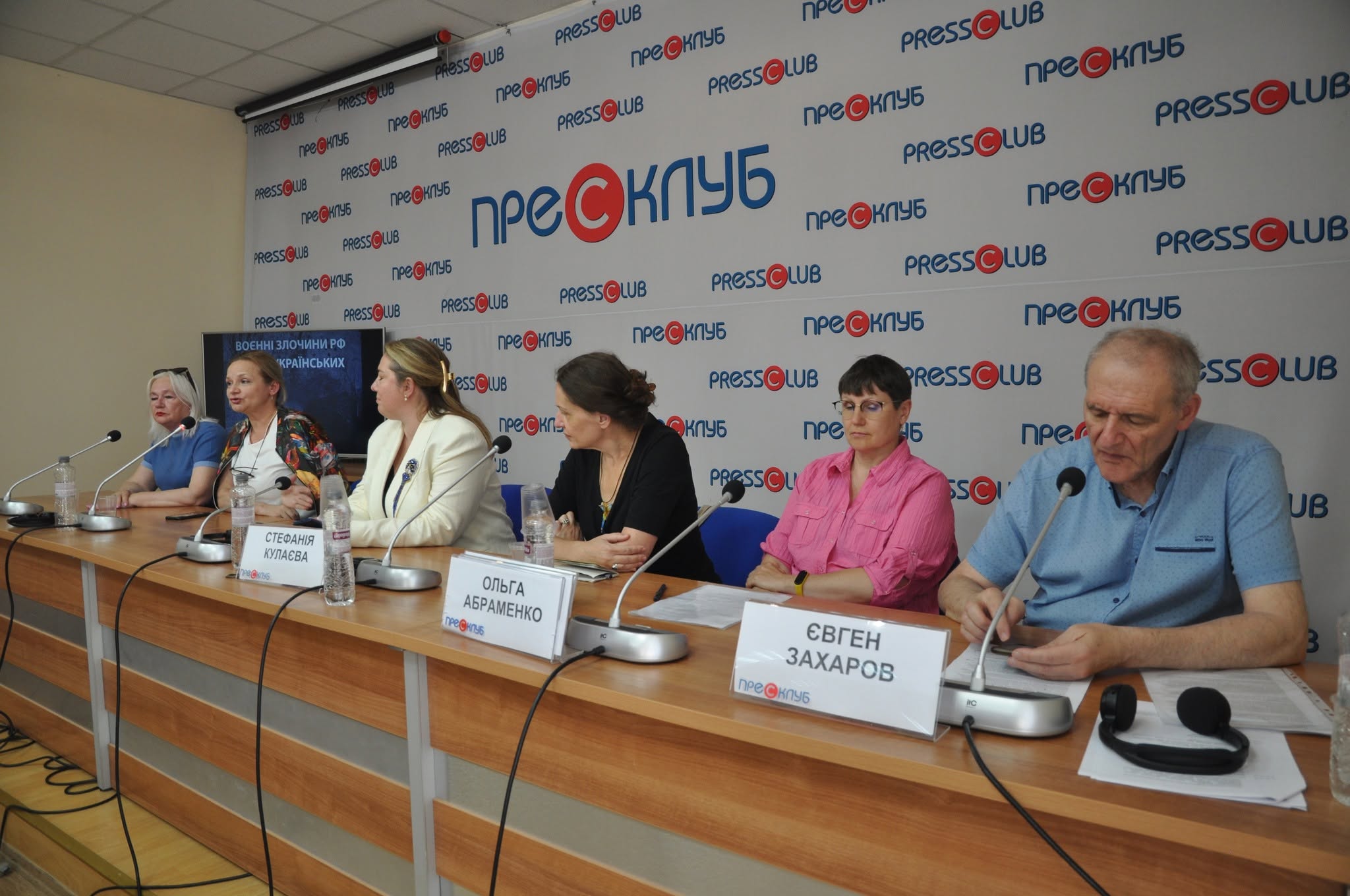
On 6 July, during an event in Lviv dedicated to the launch of the project “Documentation and Analysis of International Crimes Committed by the Armed Forces of the Russian Federation after 24 February 2022, Support for Victims of These Crimes and Raising Awareness of Them”, funded by the European Union, representatives of human rights organisations discussed the role of civil society in documenting international crimes and stressed the critical importance of international support for continuing this work.
The project is being implemented by the Kharkiv Human Rights Protection Group, ADC Memorial Brussels, the Ukrainian Helsinki Human Rights Union, and the Centre for Civil Liberties with the support of the European Union.
Since the beginning of Russia’s aggression in 2014, civil society organisations have become some of the key actors in documenting international crimes. They were the first to collect victims’ testimonies, record human rights violations, support those affected, and submit collected materials to national and international justice mechanisms. Following the start of the full-scale invasion, the scale of this work increased dramatically.
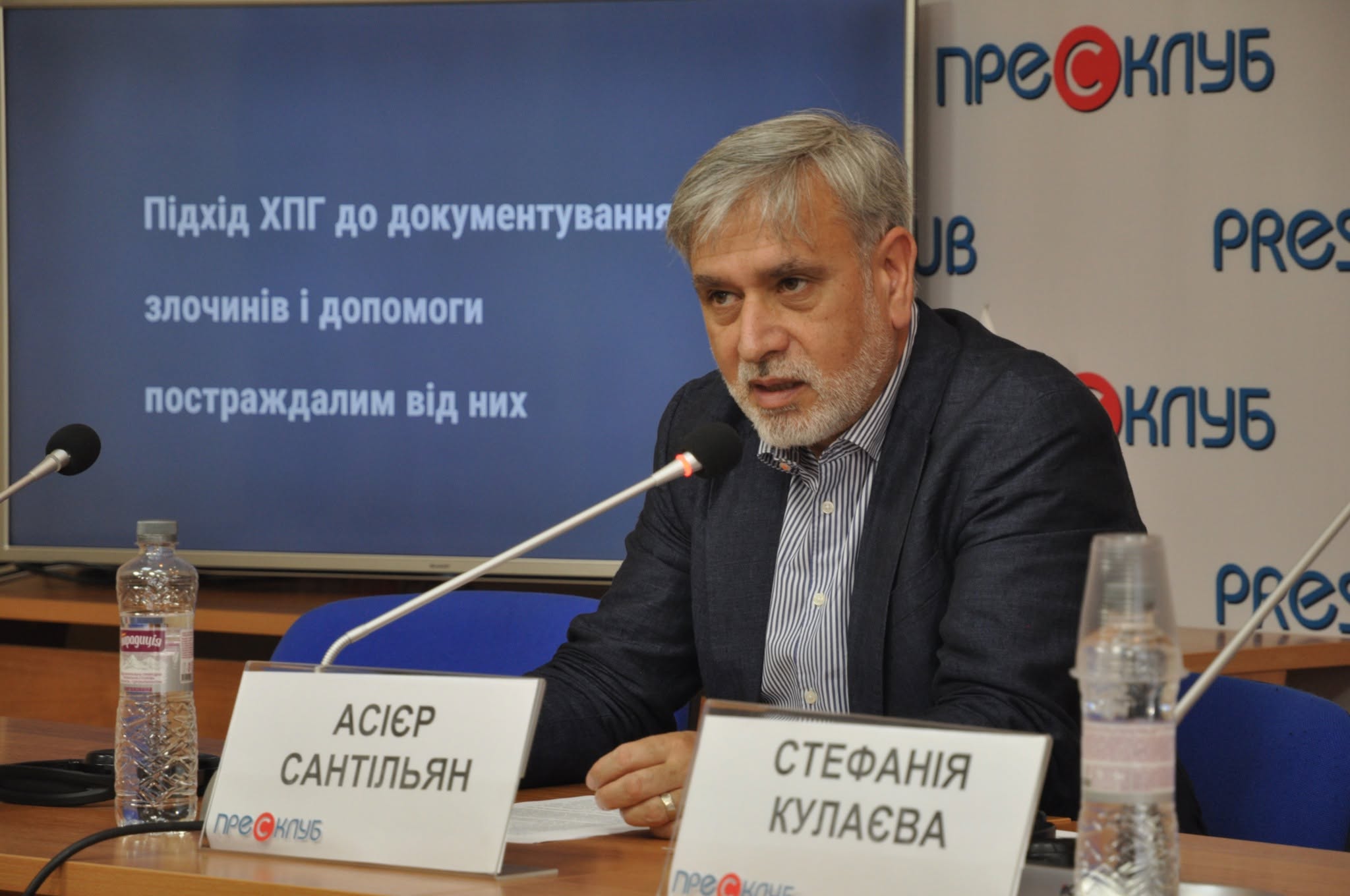
Asier Santillan, Head of the European Integration, Governance and Rule of Law, Civil Society Section of the EU Delegation to Ukraine, marked the opening with:
“EU goal is clear: truth will be established, justice will be done, and there will be no escape for war criminals. As the father of all crimes is Russia’s crime of aggression, for this reason, the EU supports and will continue to support the fight against impunity in Ukraine ”.
Participants in the discussion emphasised that documenting international crimes is not only a tool for future court proceedings. It also helps establish the fate of missing persons, support victims, draw the international community’s attention to Russia’s crimes, and preserve the historical memory of the war.
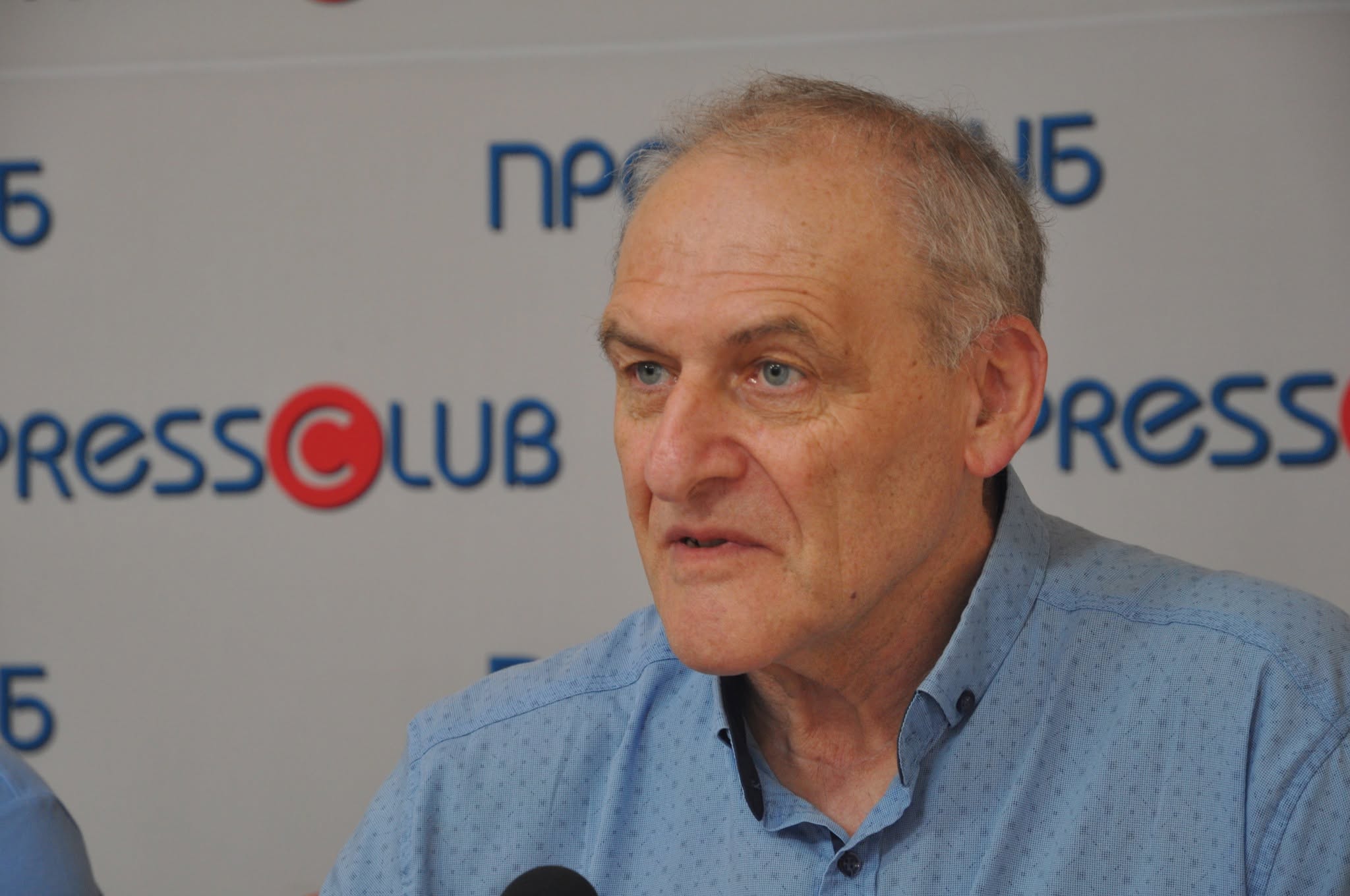
Yevhen Zakharov, Director of the Kharkiv Human Rights Protection Group, noted:
“Only the simultaneous implementation of all components of our approach can deliver positive results. The most challenging task is establishing the locations where Ukrainian prisoners of war and unlawfully detained civilians are being held.”
Oleksandr Pavlichenko, Executive Director of the Ukrainian Helsinki Human Rights Union, emphasised:
“A particularly important objective of the Project is to assist Ukrainian law enforcement agencies in investigating alleged war crimes at both the national and international levels through the use of various international judicial and quasi-judicial mechanisms.”
Participants also highlighted the importance of international support. According to human rights defenders, it is thanks to long-term cooperation with international partners that Ukrainian civil society organisations are able to maintain continuity in their work, develop expertise, support victims, and continue documenting crimes even in wartime conditions.
Oleksandra Matviichuk, Head of the Centre for Civil Liberties, stressed the importance of advocacy and international solidarity:
“Russia’s goal is to destroy the Ukrainian state and all Ukrainians who defend and support their country. We must ensure that people around the world understand the nature of this war and continue to support Ukraine.”
The next stage of the project will be a specialised seminar for sociologists, psychologists, civil servants, and human rights defenders, to be held in Lviv on 7–8 July. It will focus on methodologies for interviewing children about violations of their rights during the war.
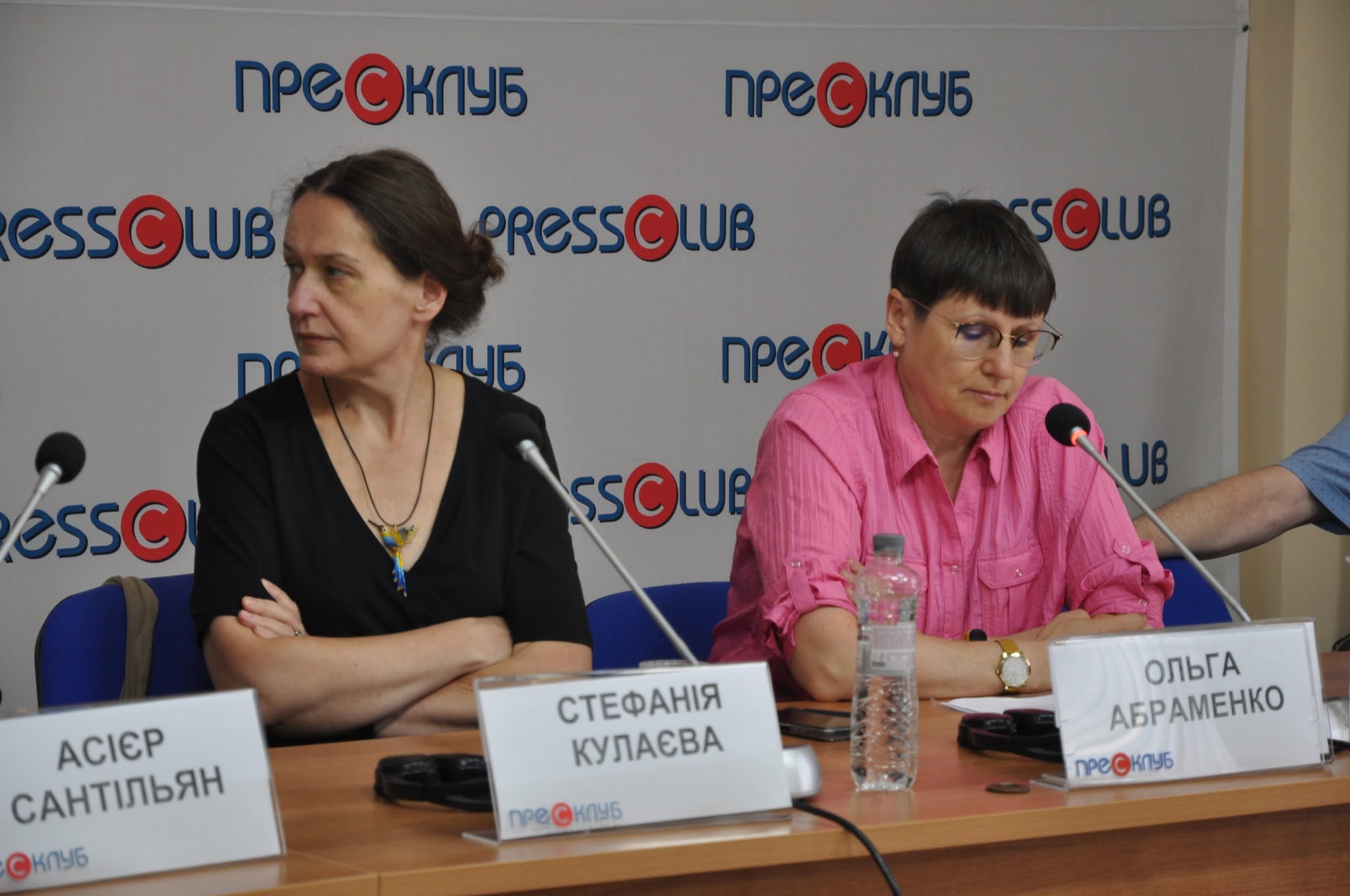
As Stefaniia Kulaieva, researcher at ADC Memorial Brussels, notes:
“Years of war have affected the lives of millions of children. Protecting their rights must remain a matter of international attention and collective effort. Children’s views must be heard and considered in accordance with the provisions of the UN Convention on the Rights of the Child.”
Participants unanimously agreed that, without the systematic work of civil society organisations and the support of international partners, documenting international crimes on the current scale would be impossible. And without proper documentation, achieving justice is impossible as well.
EU contribution to the Project: 720,000 Euro, duration of the Project: 24 months.
Media contact person: Iryna Skachko, +380 95 687 3173, [email protected]