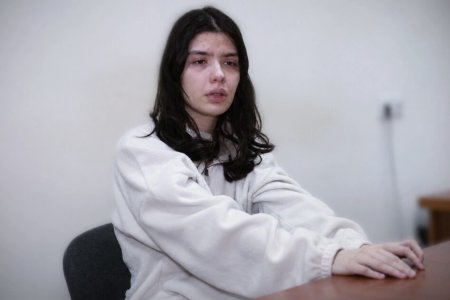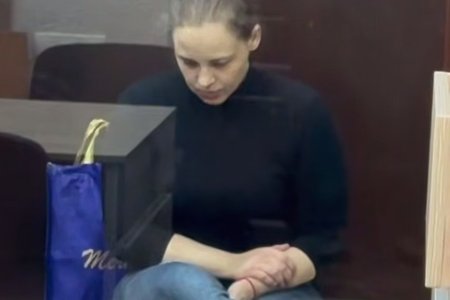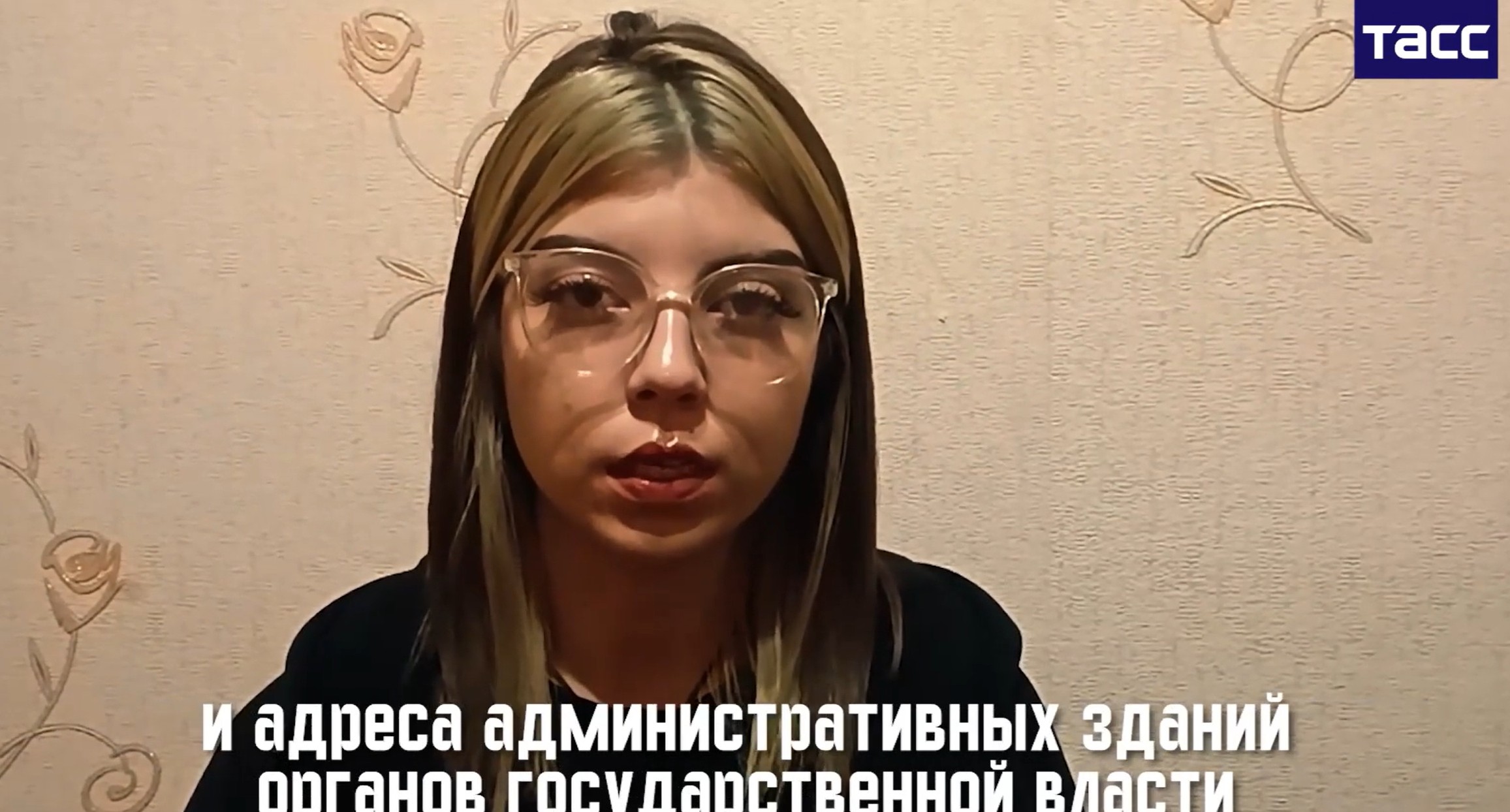
Yulia Buievets was just 14 when the Russians invaded and occupied her native Volnovakha (Donetsk oblast). She would have been given no choice and forced to take Russian citizenship. Four years later, the Russian FSB came for her, held her prisoner for two months before reporting her ‘arrest’ on ‘treason charges’. The 12-year sentence reported on 19 August 2026 is the second such sentence in little over a month against a very young woman. The charges against Yulia Buievets (27.07.2007) and Victoria Maksymenko (b. 11.10.2005) were virtually identical, and both women were forced to give videoed ‘confessions’ expressing ‘repentance’.
Yulia is known to have been seized by the FSB from the ‘House of Youth’ [on 12 January 2026, with this almost two months before the FSB publicly claimed to have “put an end to the unlawful activities of a RF citizen” and said she was accused of ‘state treason’, under Article 275 of Russia’s criminal code. Judging by multiple other politically motivated cases, it is likely that the 18-year-old was held incommunicado, without any official status or charges being laid, with such periods typically used by the FSB to extract ‘confessions’ through torture or other forms of duress. It is likely that the video produced by Russian state media, which doubtless came from the FSB, was extracted during that initial period in which Yulia would have had no contact with her family, nor with a proper lawyer. On the video, she is heard saying the following: “A representative of Ukraine’s security service contacted me. He gave me the task to send the coordinates of military personnel; the details of local residents; and the address of executive bodies. I provided him with this information which I regret very much and repent.” It is near certain that this was scripted, with it very often the case that people are forced to learn their ‘confession’ (on occasion, multiple ‘alternative confessions’) by heart.
The FSB asserted on 6 March 2026 that the alleged contact had been with a person from Ukraine’s Military Intelligence and via Telegram. Yulia was claimed to have passed on information about places of deployment of units of the Russian armed forces; the location of occupation administrative buildings on the territory of the Volnovakha municipal district; “about local residents and members of regional youth organizations in order to recruit them for unlawful activities”.
In announcing the sentence, the ‘court’ press service asserted only that the young woman had passed on “information to the enemy which could be used against the armed forces of the Russian Federation” and that in 2025 she had passed on information about Russian military technology to the supposed officer from Ukraine’s Military Intelligence.
It is never clear in these cases how the person, in this case a very young woman, was supposed to have obtained the information and any hearings, even had there been such, would have been held behind closed doors.
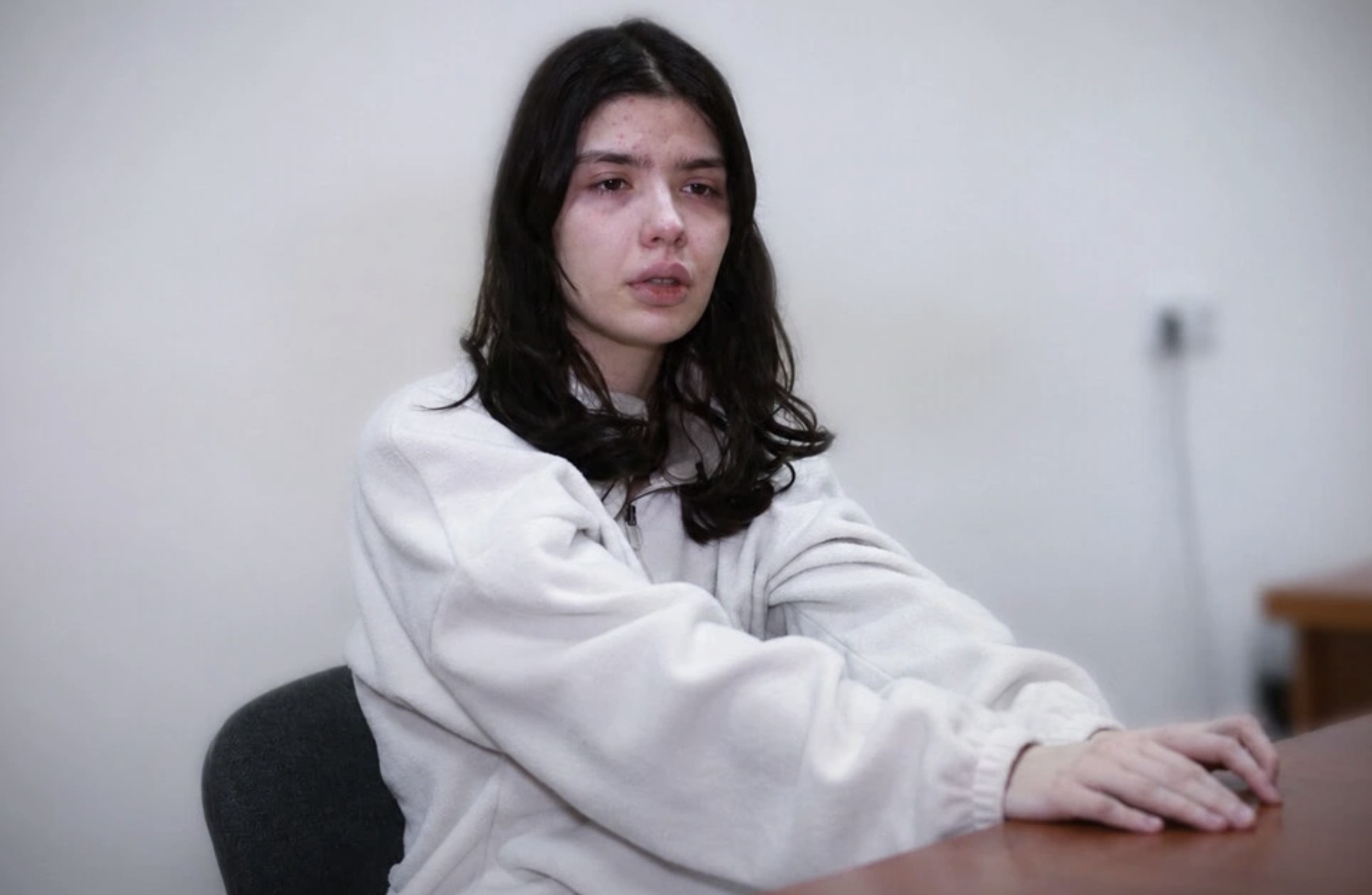
As mentioned, the charges were essentially the same as those against Victoria Maksymenko. In both cases, it is possible that the young women were approached by an FSB agent, pretending to be from Ukraine’s Military Intelligence, and hunting out young people visiting pro-Ukrainian Telegram channels. It is, however, equally conceivable that neither of the two provided any information to anybody and that the confessions were extracted by, at best, terrorising two young women, at worst through physical torture.
Serhiy Pustovy
One of the aims of all of these ‘treason’ trials is, doubtless, to terrorise the population of all occupied territory into passive subjugation and silence. As well as fears of being set up by FSB agents, there are also question marks over how the Russian enforcement bodies on occupied territory receive their information.
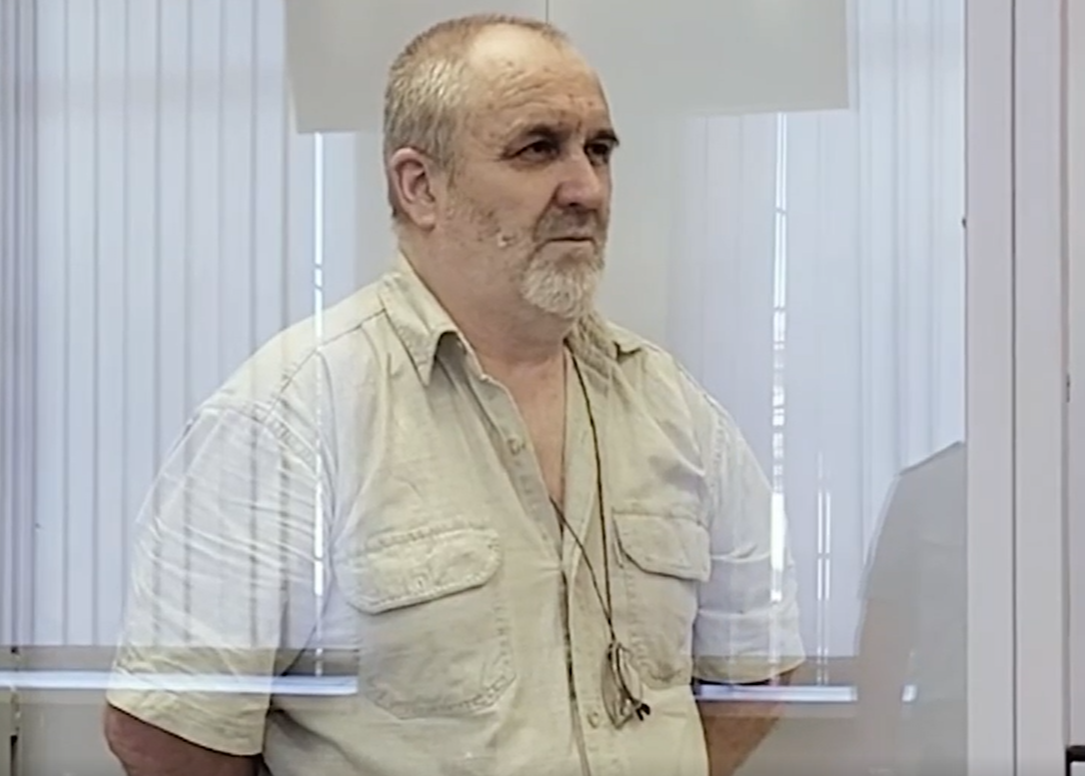
On 19 August, the occupation ‘Zaporizhzhia regional court’ reported an 11-year sentence in a maximum-security prison colony against a 57-year-old man from occupied Blahovishchenka. Judging by the charges – of passing on information about the movement of Russian military technology and deployment of Russian soldiers from May to November 2022, it is possible that the man, believed to be Serhiy Pustovy (b. 12.03.1969) has been imprisoned for a long time.
The indictment is not merely cynical in that a Ukrainian is accused of ‘spying’ under Article 276 of Russia’s criminal code for passing on information to the defenders of his country about the movements of their shared enemy, namely the Russian invading forces. It is also potentially chilling given that the information is alleged to have been sent to a relative, serving in Ukraine’s Armed Forces, via Signal, a messenger service which Russia has prohibited precisely because it is supposed to be secure from surveillance.
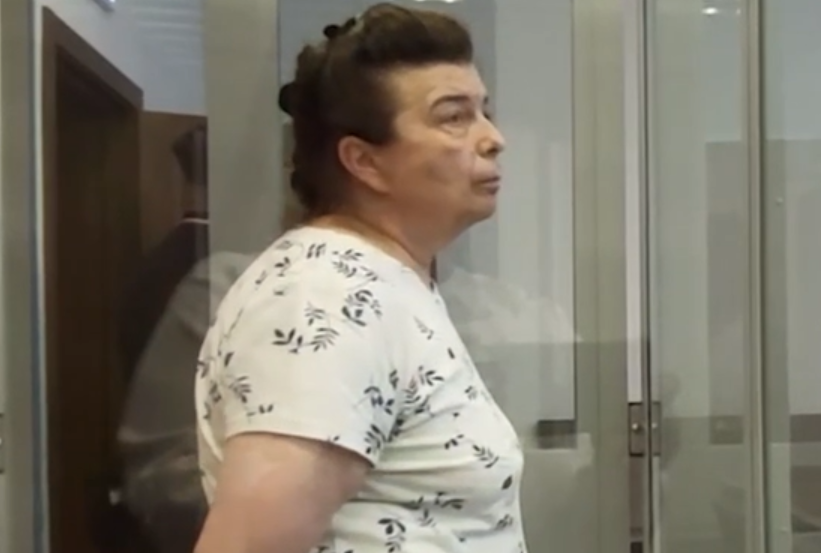
Perhaps most terrifying in all of this are the number of cases where we do not even know people’s names. On 13 August 2026, the same occupation ‘Zaporizhzhia occupation court’ reported the 11-year sentence against a woman identified only by the first letter of her surname, ‘K’ (b. 1971). She was alleged to have cooked and washed for the Russian invaders and to have, from September 2022 through October 2023, passed on information about military personnel and technology to a representative of Ukraine’s Armed Forces via WhatsApp. Via an illegal occupation ‘court’ and in flagrant violation of international law, Russia has claimed the actions of a Ukrainian citizen who did not invite the invaders into her country, had not taken Russian citizen, and helped Ukraine’s defenders, constituted ‘spying’ under Russian legislation.