Menu
All publications

• Civic society

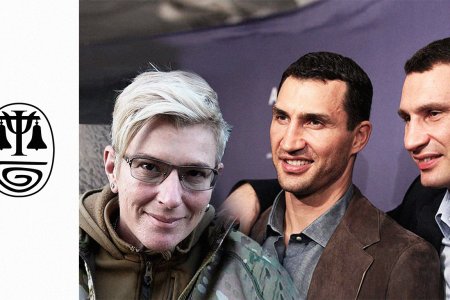
The Klitschko brothers, Taira, and the Kharkiv Human Rights Protection Group will receive the Lev Kopelev Prize

On June 30, the Lev Kopelev Forum, founded in Cologne, Germany, announced three laureates of the “For Freedom and Human Rights” award, bestowed annually since 2001.

• War crimes

Nearly 1200 Ukrainian children abducted to Russia and placed with Russian families

Russia is deporting children without making any real effort to find out if the children have families, and is almost openly seeking to forcibly turn them into ‘Russian citizens’

• War crimes

Ukrainians may be put in camps and deported as ‘foreigners’ from Russian-occupied Donbas

After virtually razing Mariupol and other cities in occupied Donbas to the ground, Russia is escalating terror and threats of deportation to try to force surviving residents to accept Russian citizenship

• Human Rights Abuses in Russian-occupied Crimea

Revenge sentence against Crimean civic journalist Iryna Danilovych upheld despite grotesque charges and ongoing medical torture
All those involved in the prosecution of Iryna Danilovich knew that they were taking part in reprisals against a person for her courage and refusal to be silenced in the face of mounting repression

• War crimes

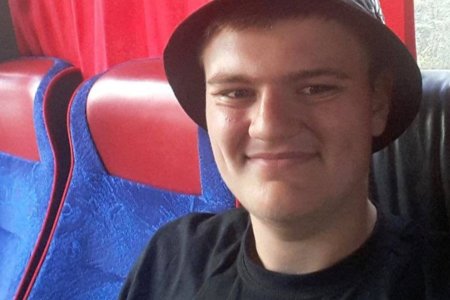
Russia hides Kharkiv student abducted 15 months ago ‘for opposing’ its invasion

Mykyta Shkriabin, a third-year law university student, has not been seen since he was seized by Russian soldiers in Kharkiv oblast on 29 March 2022

• Human Rights Abuses in Russian-occupied Crimea

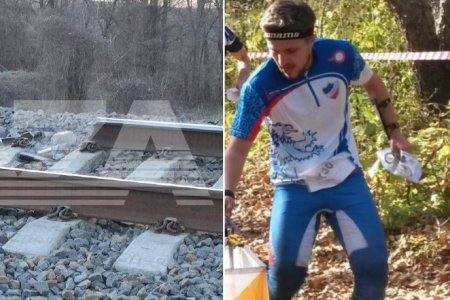
Guilty as Tortured: How Russia ‘looks for’ rail partisans in occupied Crimea
Even when faced with real acts of sabotage on railway tracks deployed in Moscow’s war against Ukraine, the Russian FSB prefer to extract fake 'confessions' through torture, than actually investigate

• War crimes

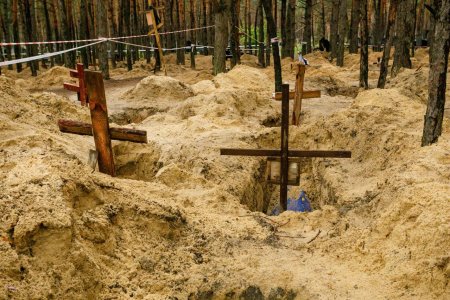
Russia has carried out summary executions of at least 77 civilian detainees since its full-scale invasion of Ukraine

The figure provided in a new UN report is, unfortunately, likely to be much higher, both because of areas still under occupation, and because the Russians also carried out on-the-spot summary executions

• Voices of war   • Interview

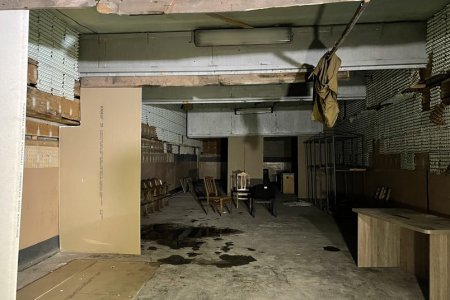
The Russians shelled the cellars in which people were hiding

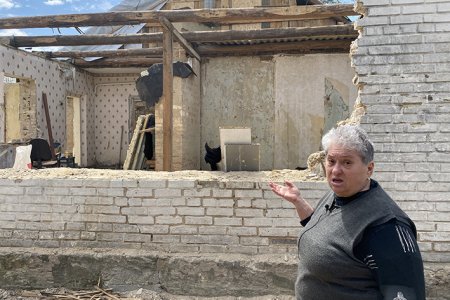
Kateryna Rakhmatulina was not evacuated from Velyka Dymerka because she could hardly walk. They hid in the cellar with her eldest grandson, and the house above them bounced from constant shelling. Their neighbor was shot because he refused to give the Russians his sneakers. Catherine says that it was a miracle that she did not die.

• Voices of war   • Interview

‘We were nothing and nobody. We were a human shield for the Russians’

Nadiia Korcheva is from the village of Zalissia. Her blind sister died in a nearby house from hunger and cold. Nadiia was able to bury her only after the de-occupation. The Russians smashed everything around, robbed homes, mined vegetable gardens, and put up land mines. “But I carried on propaganda with them. I tried to convince them to surrender. I talked about our state,” — says the brave woman.

• War crimes   • Research

The Torture of Ukrainian soldiers and imprisoned civilians

On 26 June 1987, the UN Convention Against Torture (and other Cruel, Inhuman or Degrading Treatment or Punishment) came into effect. At present, 173 States, including Ukraine and Russia, have signed and ratified the Convention.

• Human Rights Abuses in Russian-occupied Crimea

Russia detains and prosecutes elderly activists for flying the Crimean Tatar Flag
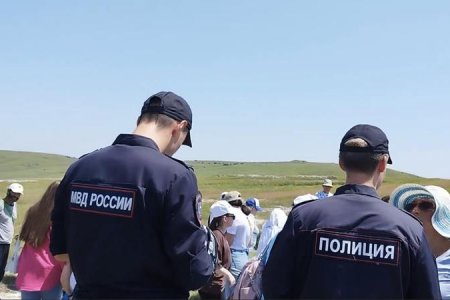
While the rest of Ukraine celebrated Crimean Tatar National Flag Day, the Russian occupation regime came up with preposterous charges against two Crimean Tatars simply for flying the flag on their cars

• The right to life

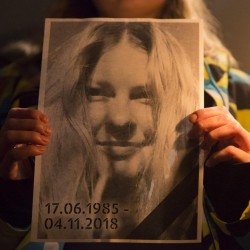
Ukraine passes long sentences against former top official over savage killing of Kherson activist Kateryna Handziuk

Almost five years after a horrific acid attack on Kateryna Handziuk, a first-instance court in Kyiv has sentenced Vladyslav Manher to 10 years on a charge of commissioning the crime