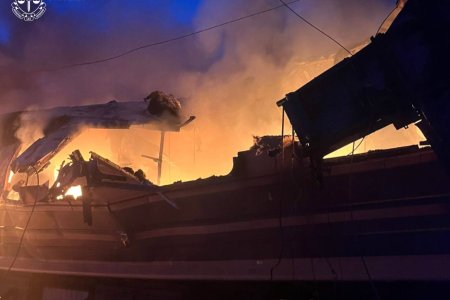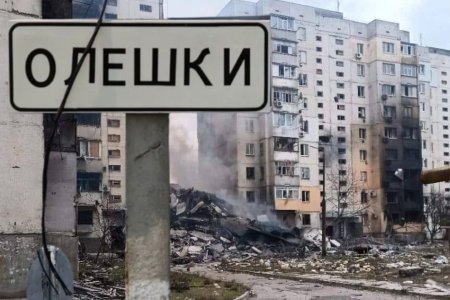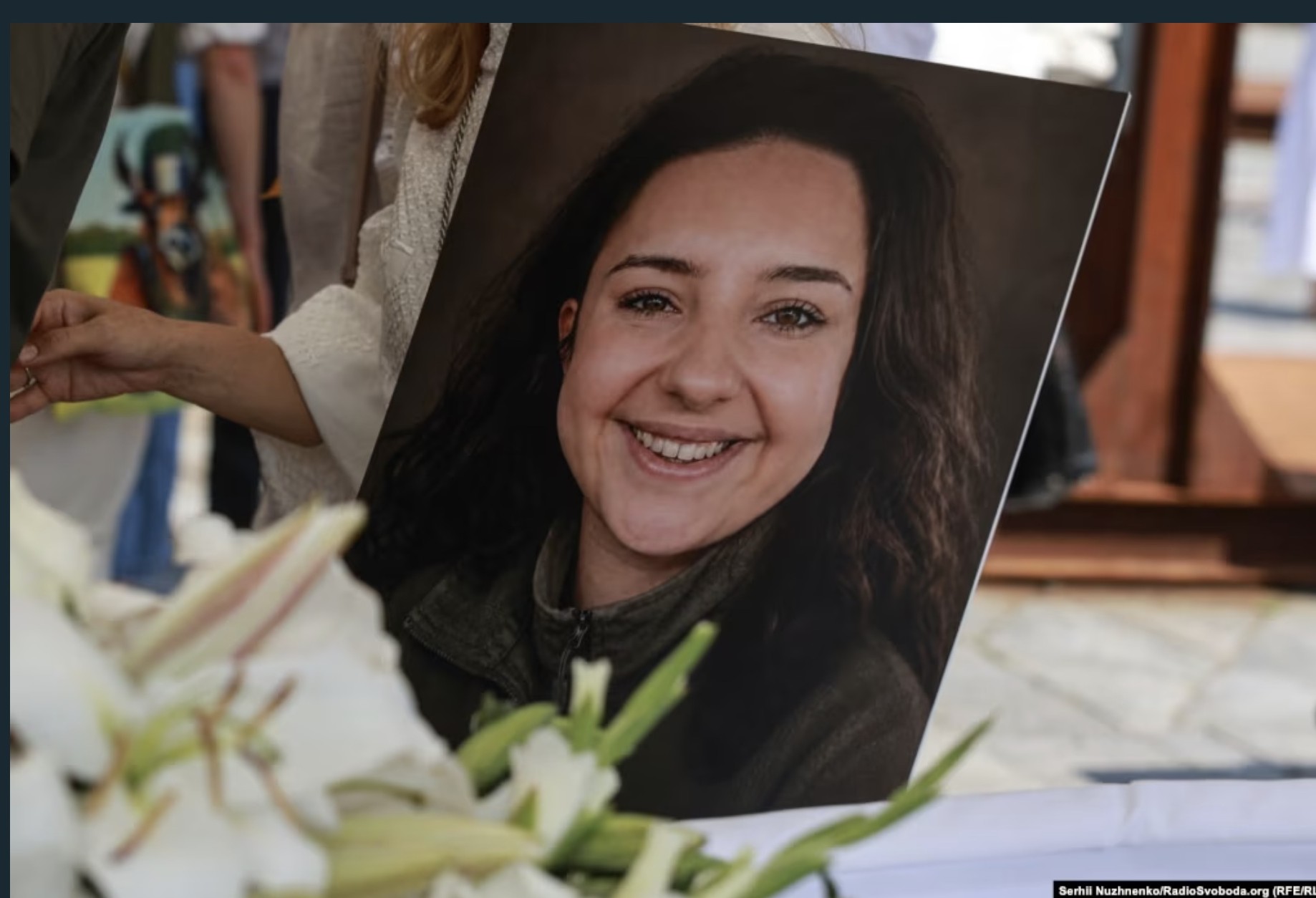
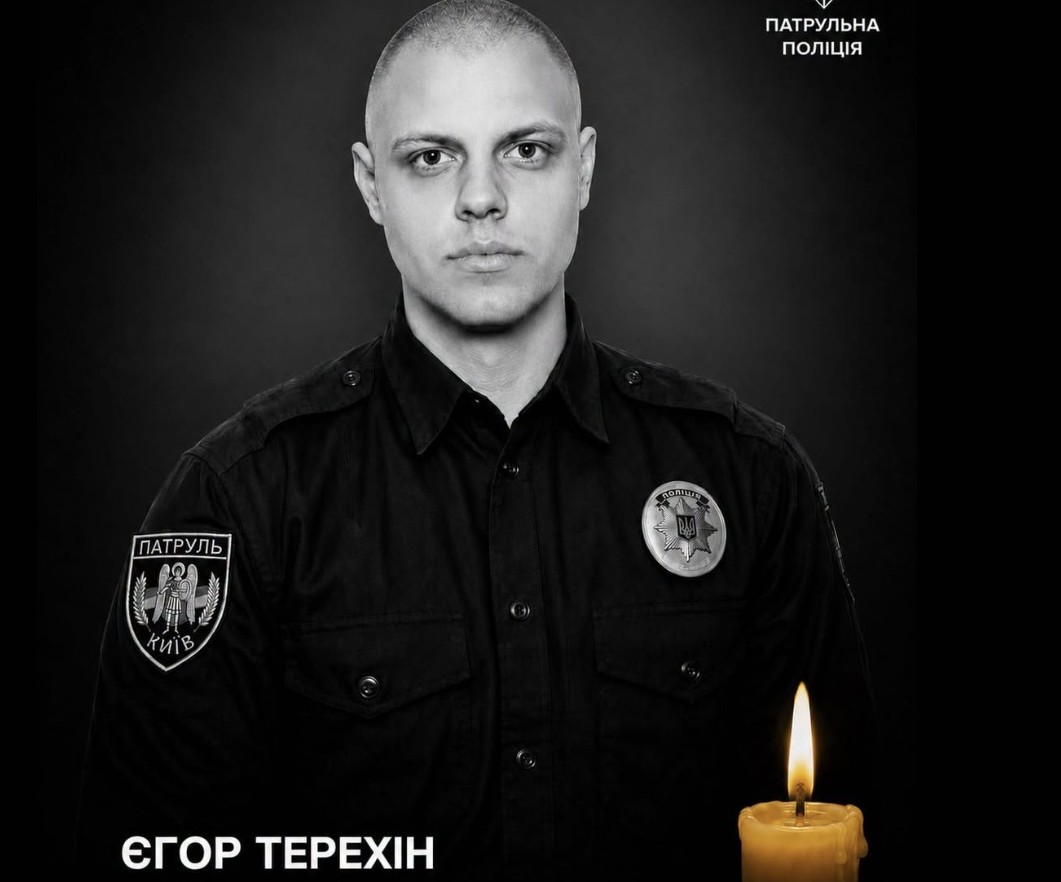
The funeral took place on 4 August of 20-year-old Vitalina Yarovenko who was killed in the early hours of 1 August during a second Russian missile strike in Kyiv, almost certainly aimed at emergency responders trying to save lives. Vitalina was a fourth-year student of psychology at the Kyiv-Mohyla Academy and a volunteer. She had set out that night with her medical battalion to a residential area in the Darnytsky district in Kyiv. where a first Russian strike had killed five civilians trying to reach a shelter. She was killed in that second strike, as was Yehor Terehin, a 22-year-old patrol officer who had also come to help the injured.
On 15 June this year, five professional emergency responders - Dmytro Boiko; Danylo Tishchenko; Serhiy Makovetsky; Vadym Zinchenko and Oleksiy Dorozhkin - were killed while trying to help the victims of a first Russian attack in Kharkiv. 
While the range of Russian attacks, that have hit residential buildings, hospitals, playgrounds and city centres, does not suggest that Russia cares whom they kill, there are also no grounds for seeing these repeat, or ‘double-tap’, attacks as ‘accidents’.
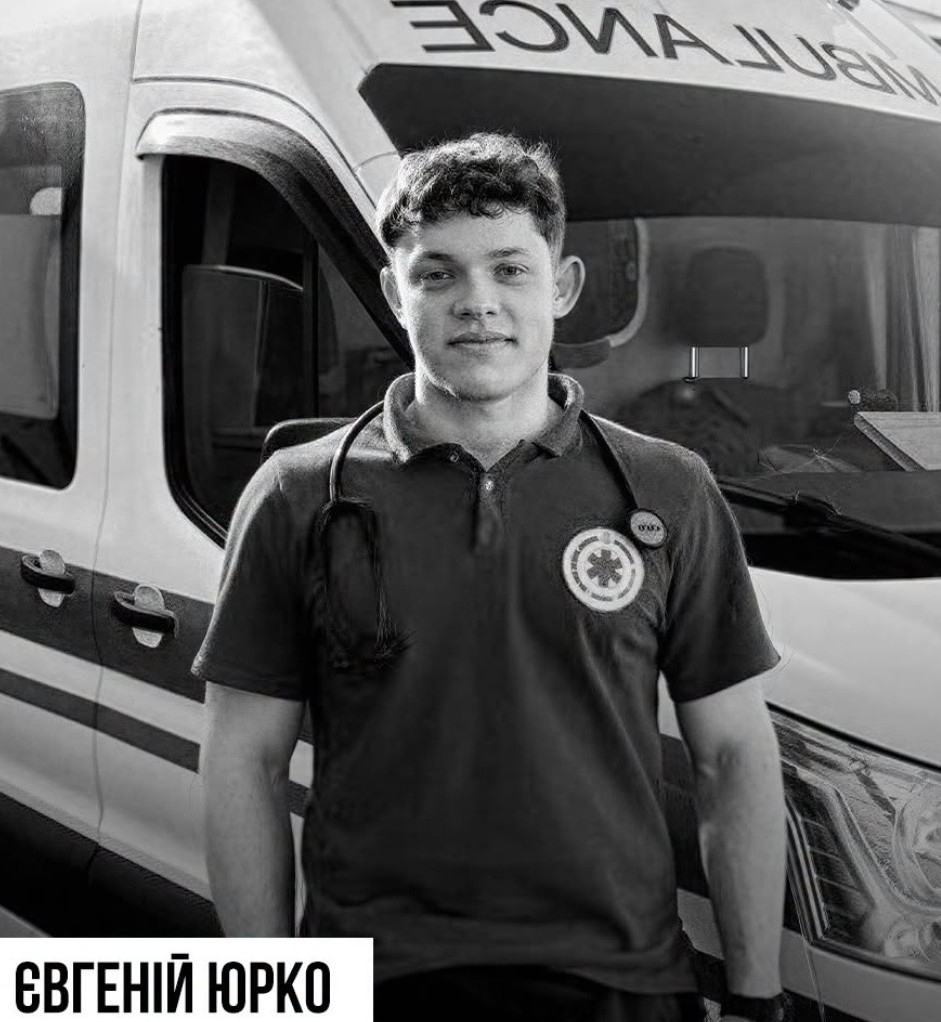
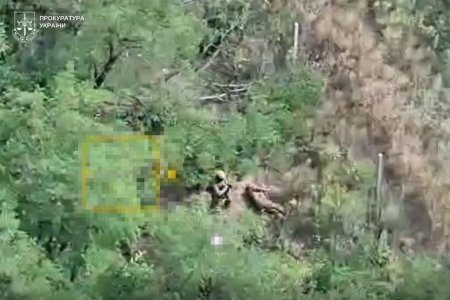
In June 2025, the UN Independent International Commission of Inquiry on Ukraine saw the need to issue a special report on Russia’s increased use of drone attacks on civilians in Kherson oblast. The Commission had concluded that these drone attacks were coordinated state policy and constituted a crime against humanity. They pointed to multiple cases where the drones had been used to target ambulance workers as they rushed to help the victims of earlier attacks. In one case, a 45-year-old civilian had been injured when a drone was used to drop explosives on him as he was riding a moped. Minutes later, two explosives were dropped on the ambulance that arrived to help him.
The Ukrainian human rights NGO Truth Hounds have been reporting on Russia’s use of double-tap attacks since 2024. In their latest study entitled ‘Calculated Harm: Attacks on Emergency Responders in Ukraine”, they identified 401 incidents from the beginning of Russia’s full-scale invasion of Ukraine to the end of October 2025 “in which attacks killed or injured emergency responders, damaged fire stations or emergency response vehicles, or forced responders to suspend operations due to repeated attacks.”
The figure may well be higher. While Truth Hounds found that the 401 incidents had caused at least 42 deaths and 258 injuries among emergency responders, Ukraine’s Emergency Services reported 111 deaths and 550 injuries. There were also a huge number of emergency vehicles, fire stations and similar which were damaged (with Truth Hounds documenting at least 248; the Emergency Services – 617 damaged vehicles alone). It is probably impossible to know how many people died of their injuries because rescuers could not reach the injured due to repeat strikes or because ambulances were damaged or destroyed before they could get to the injured.
Like the UN Commission, Truth Hounds believes that the scale and mounting intensity of attacks on emergency responders, as well as the geographic spread of such attacks “suggest a sustained pattern, not a series of isolated accidents or incidental battlefield harm”.
Depending on the target of the first attack, the Russians could be deliberately trying to maximize the damage and carnage inflicted. It does seem likely, however, that the enemy is also trying to demoralize and terrorise the civilian population, and to undermine the emergency services, “reducing the state’s presence in frontline areas.”
In its study on the drones that Russia was using against civilians and rescuers, the UN Independent International Commission of Inquiry on Ukraine recalled one individual telling them that the Russians are “hunting them down like in a video game”.
The Commission also noted that the Russian military appeared to be coordinating their attacks with Russian Telegram channels, with the drones used often equipped with cameras streaming the first or repeat attacks in real time, together with messages that the viewer could be next. The Commission wrote that “The recurrent drone attacks, the widely disseminated videos showing them, and numerous posts explicitly exhorting the population to leave suggest a coordinated state policy, on the part of the Russian authorities, to force the population of Kherson Province to leave the area. The Commission therefore concludes that Russian armed forces may have committed the crime against humanity of forcible transfer of population.”
Whether through drones which hunt their target, or ballistic missiles which can strike too quickly to have any chance of reaching a shelter, Russia is targeting men and women who are seeking only to save lives. Men and women, including very young volunteers like Vitalina Yarovenko who saw no option but to ignore the danger to themselves. Truth Hounds dedicated their study “to Ukrainian emergency responders who lived and died rescuing others”.
Вічна пам’ять Eternal memory