During the past week alone, three sentences of 16-18 years for supposed ‘treason’ have been passed by Crimean occupation ‘courts’ with even the names of the two men and one woman sentenced in three separate ‘trials’ concealed. The claim that all parts of a trial can be hidden from the public because ‘state secrets’ are involved is always questionable. Here, however, the secrecy is positively chilling since the defendants in such cases have almost all been abducted months or years earlier and held incommunicado, with the FSB denying any knowledge of their whereabouts, while using the person’s isolation and lack of legal representation to torture or otherwise force out supposed ‘confessions’.
Serdar Izmailov
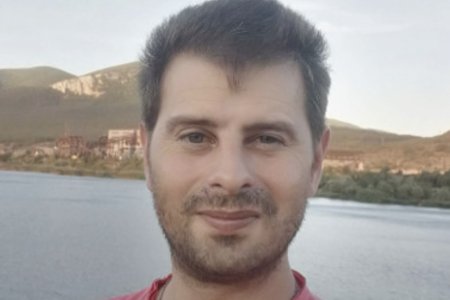
Although the occupation ‘court’ and ‘prosecutor’ gave no name, it is believed that the resident of Dzhankoi raion, sentenced on 24 March to 16 years’ maximum-security imprisonment on ‘treason’ charges (under Article 275 of Russia’s criminal code) is Serdar Izmailov. The Crimean Tatar from the village of Azovske was abducted back in June 2024 and held until November 2025 in total isolation, without any legal status.
The only information about the indictment comes from occupation sources, including the occupation prosecutor’s report. This asserts that the man, an opponent of Russia’s so-called ‘special military operation’ [its war of aggression against Ukraine], entered into correspondence, via social media, with a representative of Ukraine’s Security Service [SBU]. He was supposedly instructed to gather information about the deployment of weapons, technology and defence structures and, in the Sovietsky raion, gathered details about the movement of a military column. With typical cynicism, it is claimed that “he passed the information to a representative of a foreign state for use against the interests of the Russian Federation”.
All such indictments are very similar, down to the claim that the actions were thwarted by the Crimean FSB. Judging by the ‘court’s’ website, there were a maximum of four hearings, with these, together with the announcement of the verdict and sentence, all held behind closed doors, and the time and place of the verdict reading announced after it had already taken place. Crimean Process notes also that such secrecy was not absolute, with the occupation ‘prosecutor’’ given preferential treatment and allowed to take photos and video footage.
All of the above against a man who had been held incommunicado, without any official procedural status, for almost 18 months must arouse deep suspicion. That in turn can only be compounded by the fact that this sentence (16 years’ maximum-security imprisonment and a further 18 months of restricted liberty) was passed by ‘judge’ Sergei Nikolaevich Pogrebnyak from the occupation ‘Crimean high court’. Pogrebnyak is wanted in Ukraine on treason charges and should certainly also be under international sanctions for his active role in passing politically motivated sentences against Crimean Tatar and other Ukrainian political prisoners, including Charaz Akimov; Liudmyla Kolesnikova and Valery Shevchuk.
19-year sentence
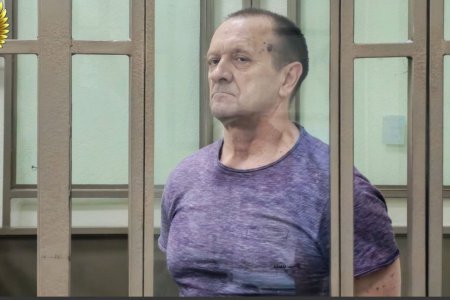
All that is known of the person also convicted of ‘treason’ under Article 275 of Russia’s criminal code on 19 March is that he was born in 1970 and is from Simferopol. The indictment is given in less detail, and mentions a “foreign country’s Military Intelligence”, rather than the SBU, but speaks of essentially the same ‘gathering of information’ as that against Serdar Izmailov.
The case is similar in other ways also, namely the secrecy of the ‘trial’ and the fact that not only the four ‘hearings’, but also the announcement of the sentence were behind closed doors, with information posted about the sentence reading only after it had taken place.
The ‘judge’ from the occupation ‘Crimean high court’ in this case was Alla Nikolaevna Khinkevych who also faces a long sentence for treason against Ukraine and who has taken part in many other politically motivated ‘trials’. Crimean Process notes that Khinkevych is the most active of the ‘Crimean high court judges’ in cases involving charges of ‘treason’, with eleven sentences just in 2025.
The sentence is for 18 years’ maximum-security imprisonment, with a further 18 months’ restriction of liberty.
18 years for opposing Russia’s full-scale invasion of Ukraine
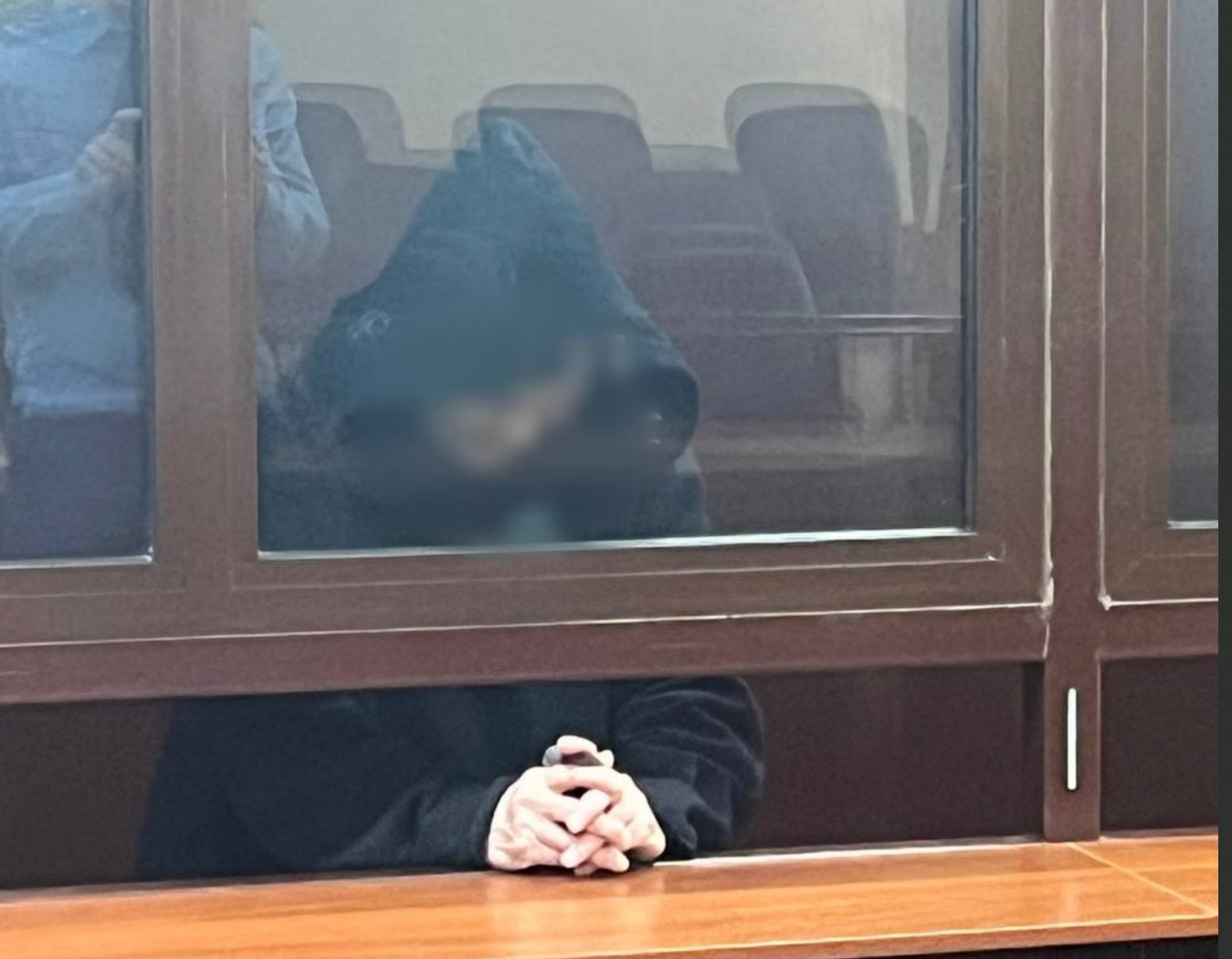
The victim this time is a woman of 58 (b. 1968) who was claimed to have been living in Moscow oblast but who is clearly from Crimea. Once again, everything was secret, with the sentence quite savage - 18 years’ medium security imprisonment; a further one year and ten months’ restricted liberty; and a massive 500 thousand rouble fine.
The woman is said to have opposed Russia’s full-scale invasion of Ukraine (referred to, of course, as the so-called ‘special military operation’) and to have, in February 2024, taken video and photographic footage of a Russian armoured vehicle parking area in occupied Crimea and to have somehow “passed this to the Ukrainian side”.
The sentence was handed down by ‘judge’ Natalia Vladimirovna Kulinskaya whose promotion to the Russian occupation ‘Crimean high court’ may well have been because of her role in role in the persecution and 7-year sentence against Ukrainian civic journalist and human rights defender, Iryna Danilovych. Kulinskaya was willing to ignore the clear evidence that Danilovych had been abducted , not ‘arrested’ and the surreal absurdity of the charges against her. She has more recently proven just as willing to take part in the shocking 15-year sentence against Niyara Ersmambetova, who has two young children and an elderly father with disability status.
The number of such ‘treason’ sentences since Russia began its full-scale invasion of Ukraine has sky rocketed, with the sentences also becoming longer and longer, despite largely identical claims in each case. The charges may well be based on no more than a person’s pro-Ukrainian views and a photo found during one of the many searches or inspections of phones that the Russians come up with in any area under occupation.
See also:
Crimean sentenced to 18 years for a phone video of boats from Russia’s Black Sea Fleet
Russia sentences Crimean to 15 years for sharing information available on Google Maps