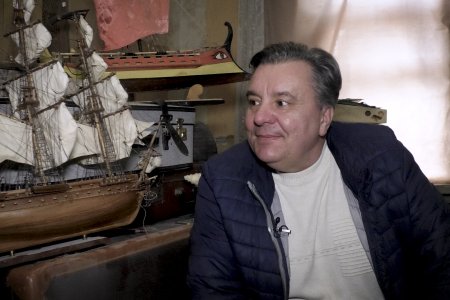
It was February 11, 2018. I was forcibly seized in Simferopol. I was leaving my fellow appraisers’ office and walking to my car.
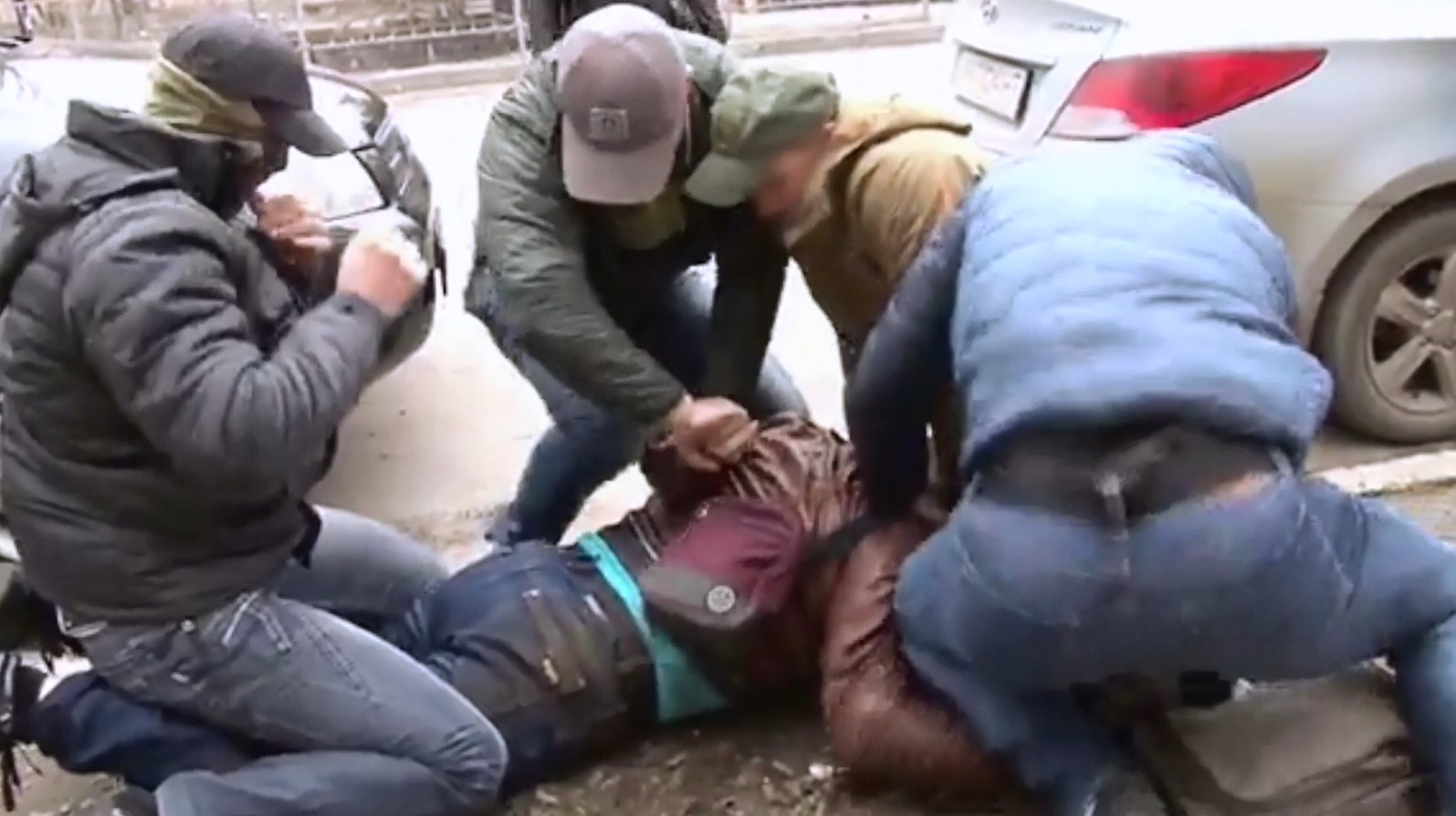
They rushed at me, presenting nothing to me: neither ID, nor badges, nor an arrest warrant — nothing. They just knocked me to the ground, started beating me, twisting my arms, putting handcuffs on me — all that kind of stuff. They shoved me into a bus and took me to Pavlyuk Street, to a basement.
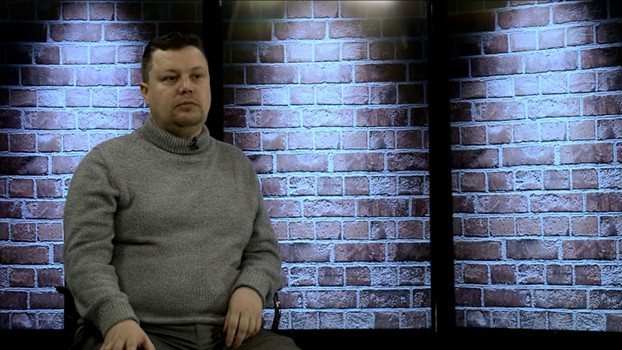
There, initially, they just beat me, without any charges or formalities — they simply beat me for several hours straight. When I tried to ask them something, they yelled at me: “You’re a Banderite, you’re a fascist, you’re caught, we’ll beat you up, we’ll kill you."
No charges were filed against me. However, I understood that many people, including some of my colleagues, disliked my activities and views. Because the assessments I conducted actually legally confirmed that Crimea belonged to Ukraine.
I was collecting documents and conducting assessments under Ukrainian law, and drawing up the relevant legal documents —either a gift agreement or an inheritance agreement—all in accordance with Ukrainian law. This legally confirmed that Crimea is Ukraine. I was committed to these beliefs, never wavered from them, and was never afraid to express them openly.
A few hours later — maybe two or three, I don’t know exactly how much time passed while they were beating me — a man in uniform showed up. All those who initially detained me were dressed in civilian clothes, wearing balaclavas, and had no identifying marks. This man was dressed in uniform. He introduced himself as FSB Captain Pavel Shentyayev and said that I had been arrested on suspicion of spying for Ukraine.
I said that this was an absurd suspicion — what spying? The most illegal thing I did in Simferopol was engaging in entrepreneurial activity because I didn’t pay taxes to the Russian government. Legally, I was residing in Ukraine and working there. The only charges they could bring against me were tax evasion or document forgery, both of which were related to my actual activities.
The captain said he wasn’t interested in the details. He had a plan: he needed to catch three spies each year to get promoted to major and transfer to a better position in Moscow. He clearly stated that my confession was just a formality, only necessary for his reports.
He said, “Whether you confess or not, it doesn’t matter. You’re already here and won’t get out of here. At best, you’ll be exchanged."
I agreed to write a confession because I understood that, objectively, I had no other option. They cleaned me up a bit: they washed me, removing the blood and dirt, because I had been lying on the ground. They took me to the former SBU building on Ivan Franko Street, which was then the FSB office. There, they filmed me reading my confession.
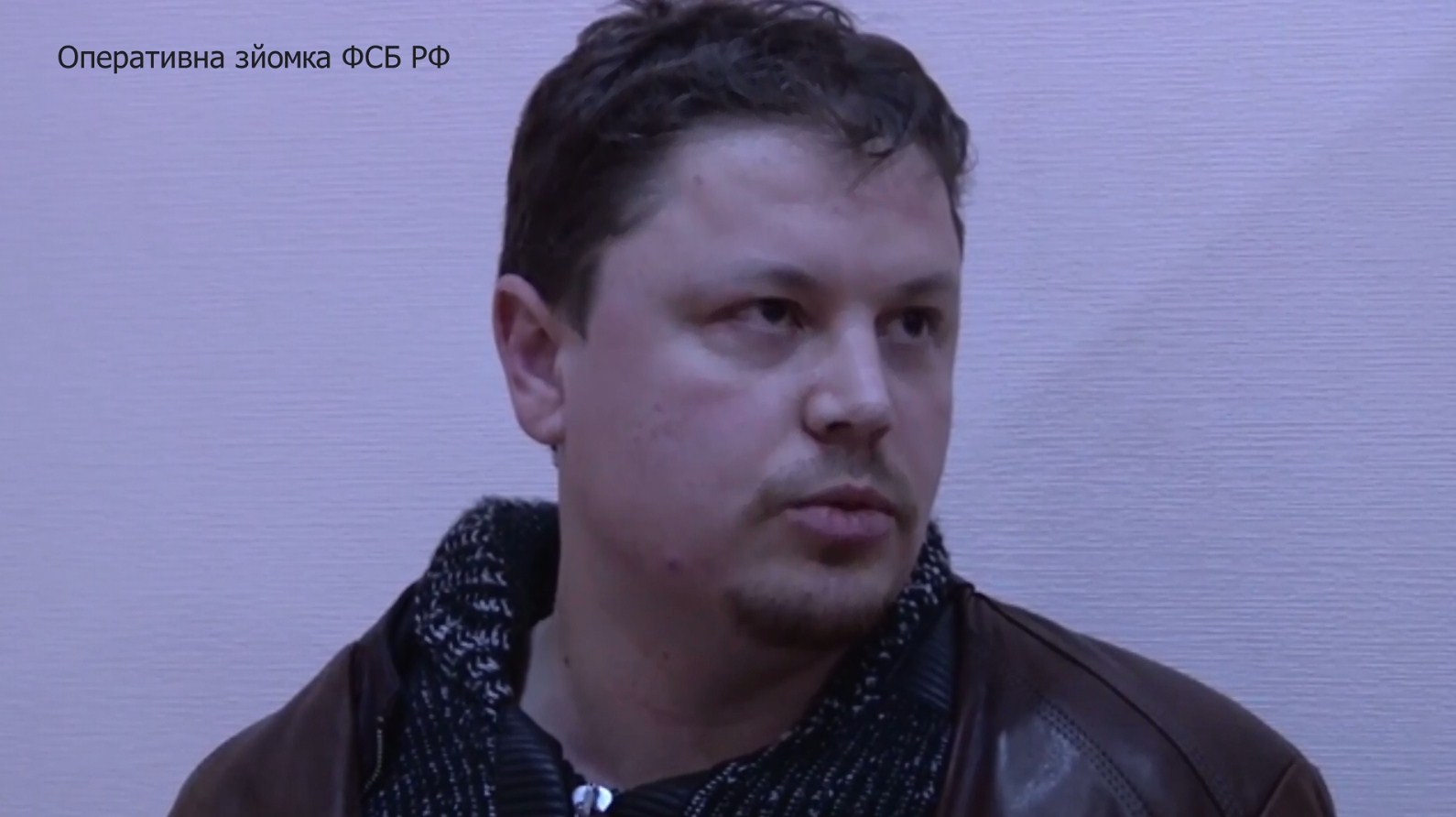
After that, they brought me to a detention center. I spent the night in a cell, and the next morning they flew me to Moscow. First, they took me to court, which imposed a pre-trial restraint in the form of detention. Then they took me to the Lefortovo SIZO (pre-trial detention center).
There, in the “reception area,” they beat me again: a little with a stun gun, a little with their feet. But they didn’t hurt me badly. Why? Lefortovo is a SIZO operated by the FSB Central Investigation Department, where inmates facing charges are held. The FSB officers there see themselves as the elite, above physical violence. They mainly use psychological tortures: they won’t let you sleep, the solitary confinement cell is always lit, and music plays constantly — sometimes Radio Spas, sometimes Radio Zvezda.
For example, one day you’re listening to Radio Spas, Gundyaev’s (the Russian Orthodox Church Patriarch) sermons, and church hymns; the next day, it’s Zvezda, military songs, and they rotate.
They hardly feed you there, and you can’t wash properly; once a week, they take you to the bath and give you a small piece of soap. But it’s the same in any SIZO.
Then I was taken under guard through Rostov and Krasnodar to Crimea, arriving at SIZO-1 in Simferopol. The trial occurred there. After that, I was transported again to Moscow for the appeal, then back to Simferopol for two weeks until the court’s decision took effect.
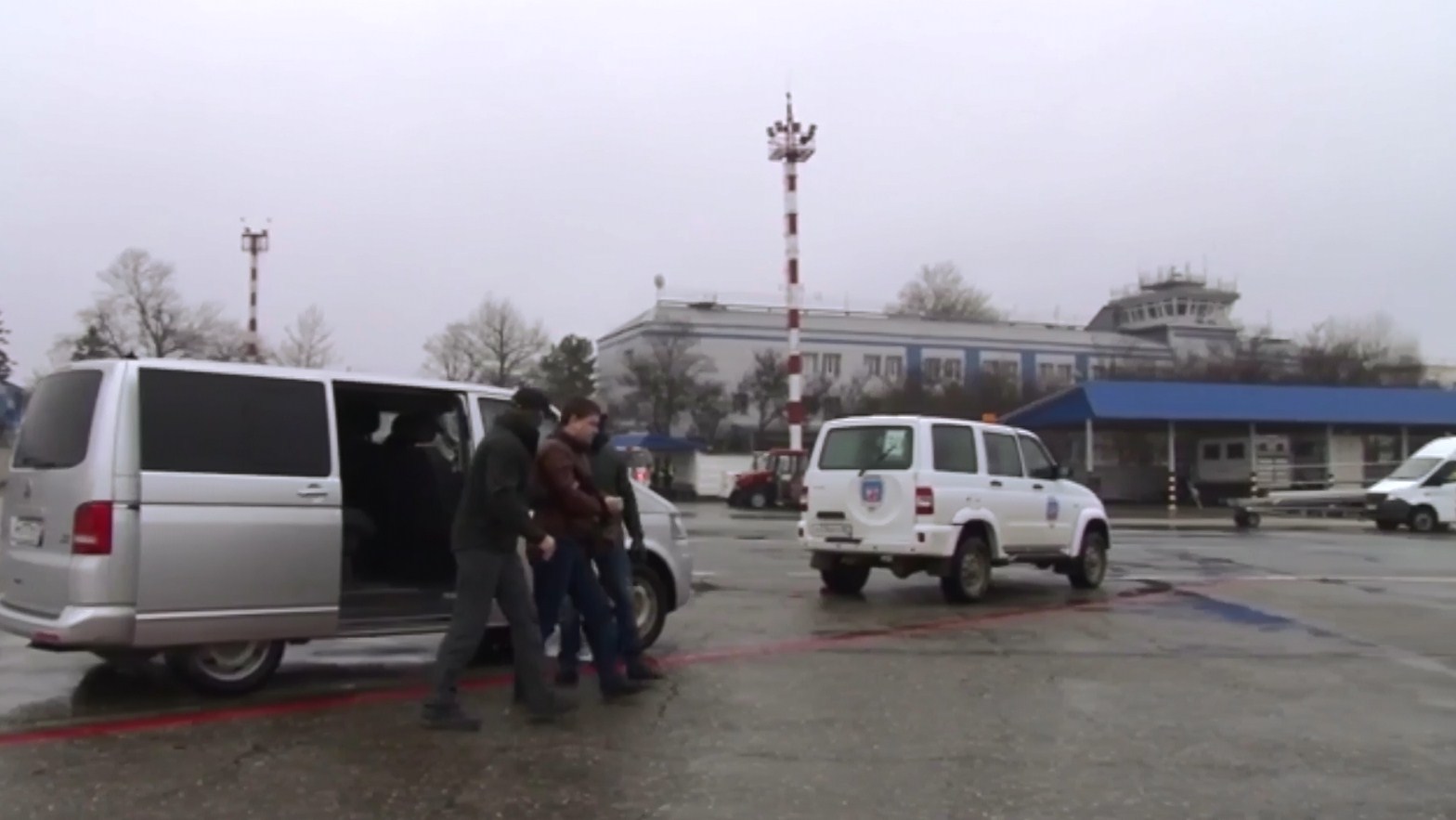
Then I was taken to Penal Colony No. 23 in the Saratov Oblast. I arrived shortly before New Year’s Eve 2019. I spent the following five years there, until February 10, 2025.
The detention conditions were the worst in Krasnodar prison: there were 30-35 people, once even 54, in a small cell designed for 14 inmates. The hygiene was absolutely terrible: bedbugs, cockroaches, and rats underneath the wooden planking. The Saratov colony was less overcrowded, but the abuse and beating of inmates were much worse. Once, I spent a month in a punishment cell, forced to walk in circles and sing “Katyusha” (the Soviet patriotic song — ed.). All these measures were focused on dehumanizing and desocializing inmates.
There was almost no medical care available. Due to vascular issues, I had a stroke in 2023 while in the colony. As a result, the right side of my face is partially paralyzed; my right eye has poor vision, and my right ear has trouble hearing. I also deal with joint problems, a vitamin deficiency, and decaying teeth.
After the full-scale invasion started, because I am Ukrainian and was imprisoned for “espionage,” my detention conditions got even worse.
I was detained in the colony until February 10, 2025. Then I was transferred to Engels, to a SIZO for migrants, officially for deportation, but I was never deported. An urgent exchange was announced on August 11.
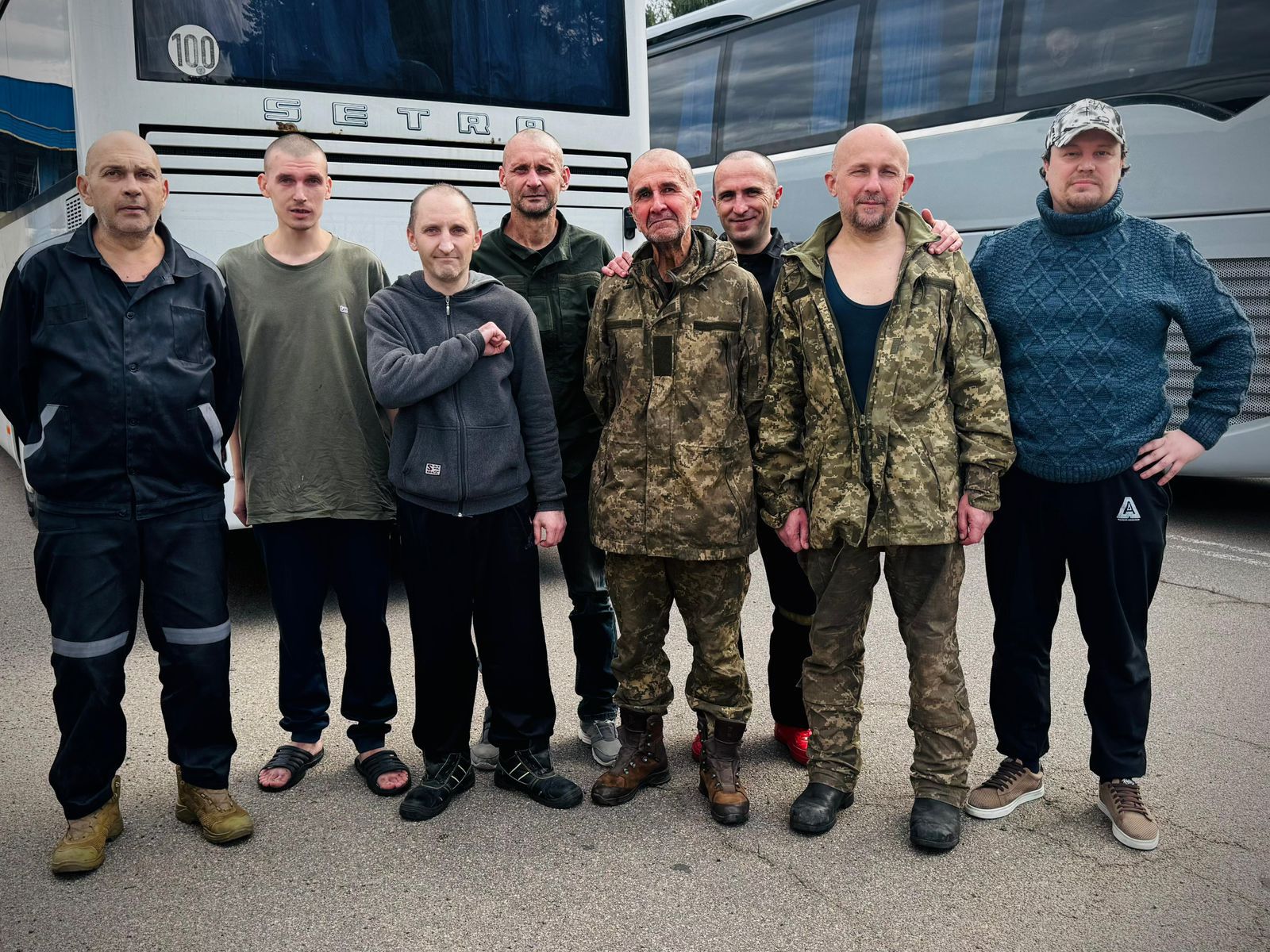
I was taken to a military airfield in Engels, handed over to the military police, and put on a plane. Even with my eyes blindfolded, I saw our guys in pixel uniforms on the plane. The plane took off and then landed in Gomel, Belarus. We were moved to buses, counted, taken to the border, and released. Ukrainian representatives were already waiting for us, so we got on Ukrainian buses and headed home.
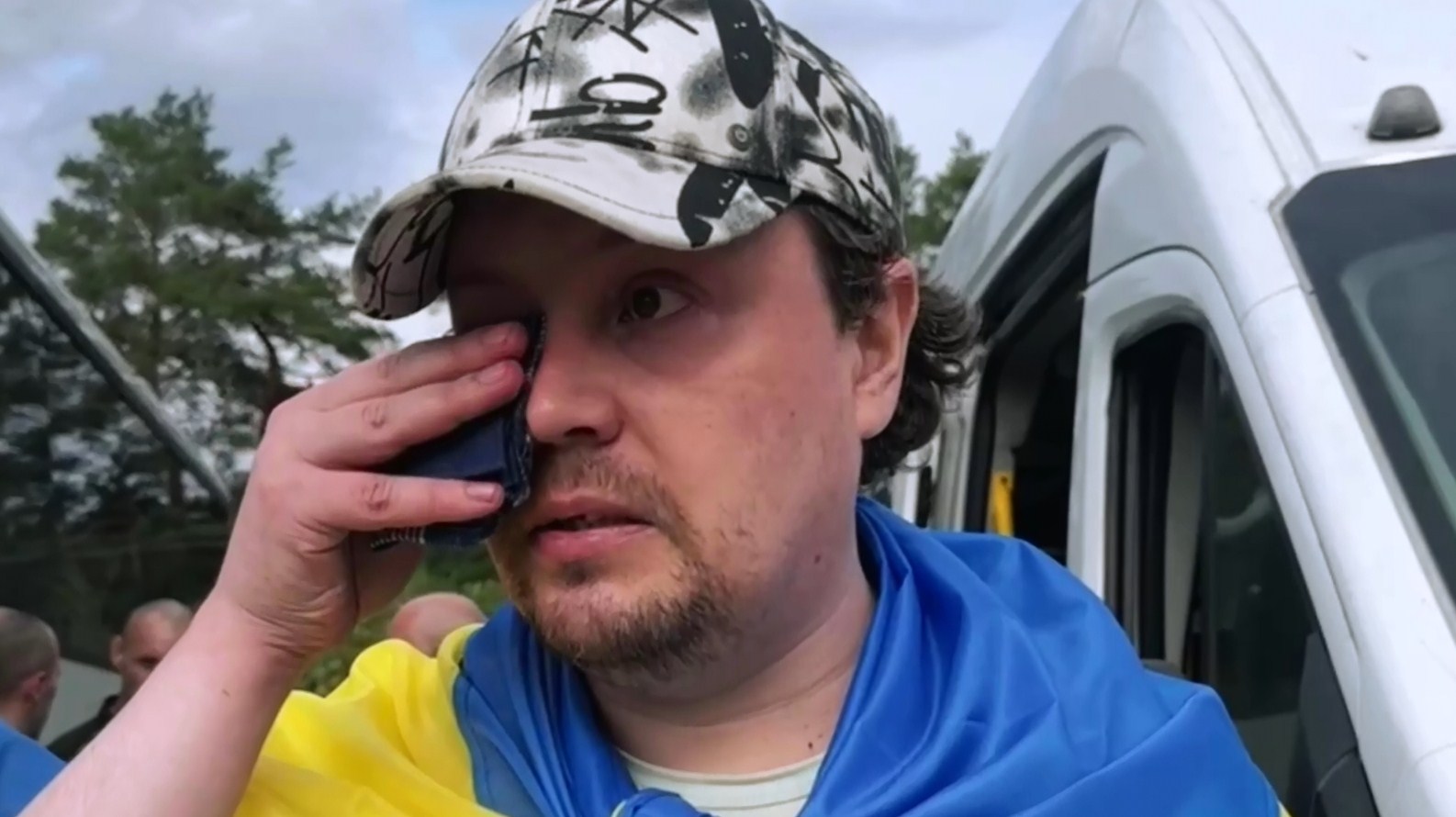
When I was exchanged, I was very happy. Finally, I’m home, and it’s over at last. I even cried because I had been waiting for this for 7.5 years. Throughout all this time, I have not changed my feelings toward Ukraine, I haven’t changed my thoughts about it, and I have no intention of running away. I wanted to go back to Ukraine.
It was very moving to see how the Ukrainians welcomed us: people from nearby villages lined the road with Ukrainian flags. It’s hard to put into words.